Estate of Paul Humpoletz Snr.
London | Vienna
2023 - 2024
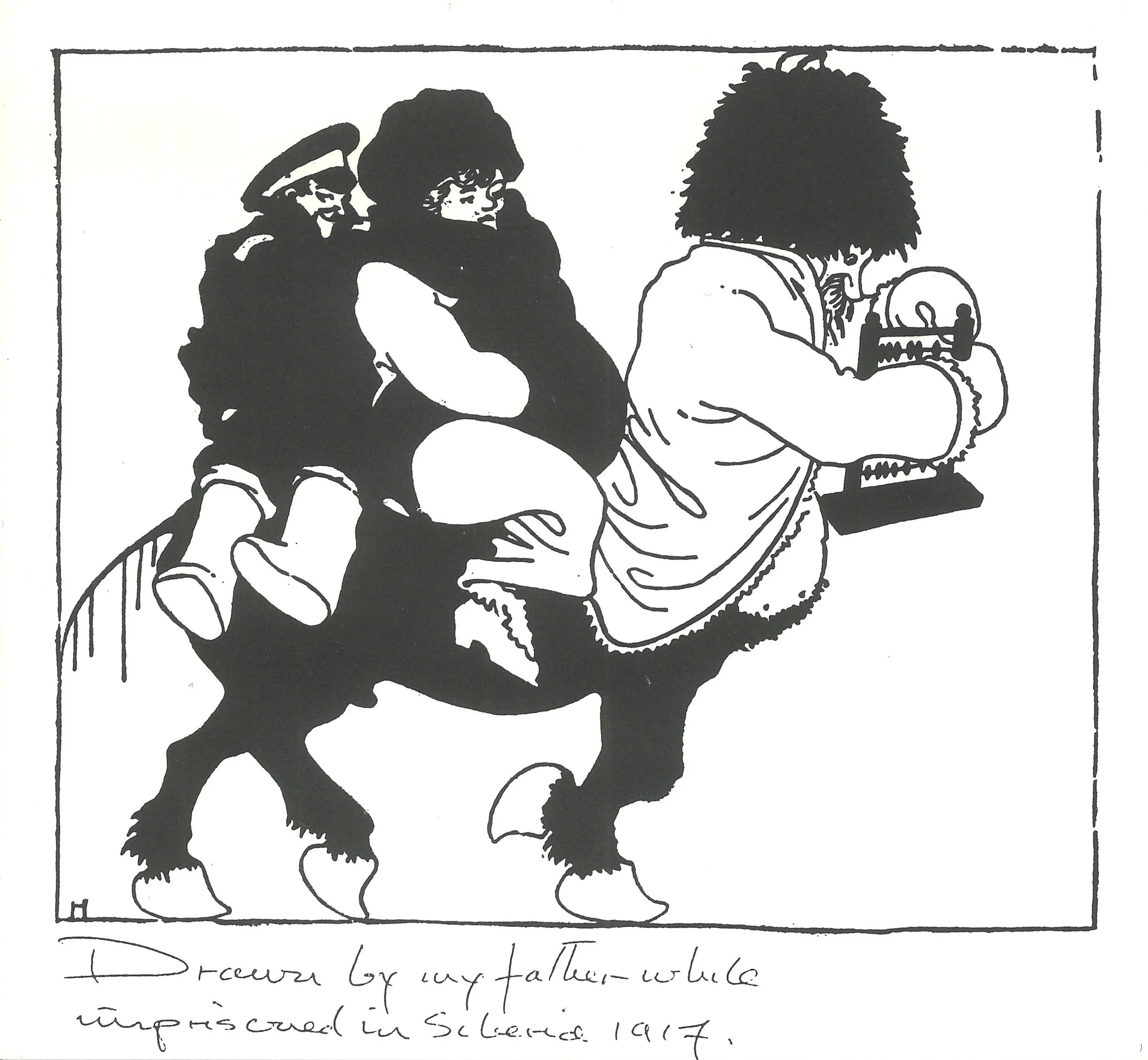
Humpoletz, SIberia, 1915, Ink on Paper
Links: https://blog.mak.at/paul-humpoletz/
PRESERVING
PAUL


Project

FINE ART ESTATE MANAGEMENT
PRESERVING
PAUL
Estate of Paul Humpoletz Snr.
London | Vienna
2023 - 2024
Links: https://blog.mak.at/paul-humpoletz/
FINE ART ESTATE MANAGEMENT
Humpoletz, Siberia, 1915, Ink on Paper
Project
① MET BY MOSCW
① MET BY MOSCW
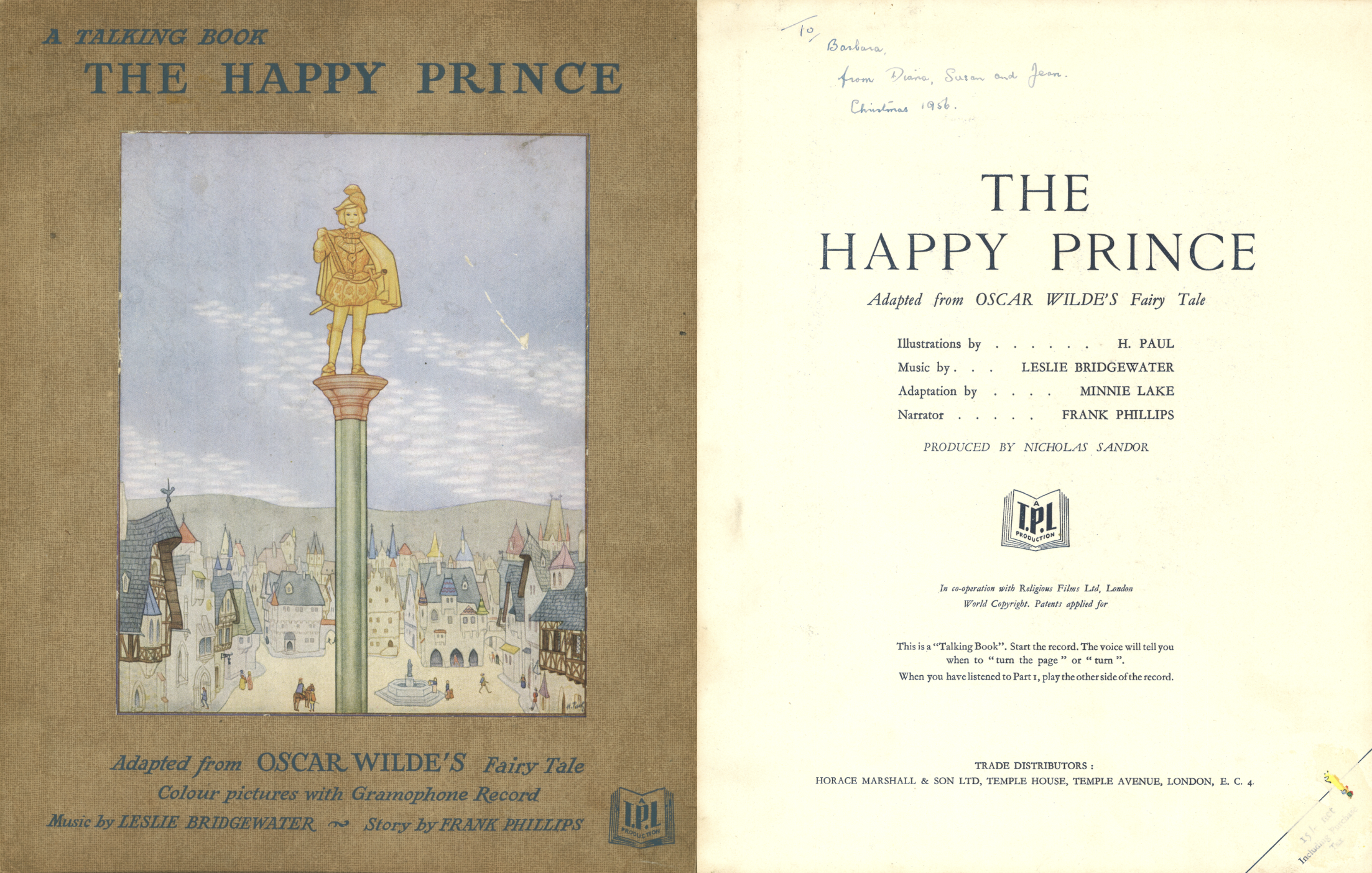
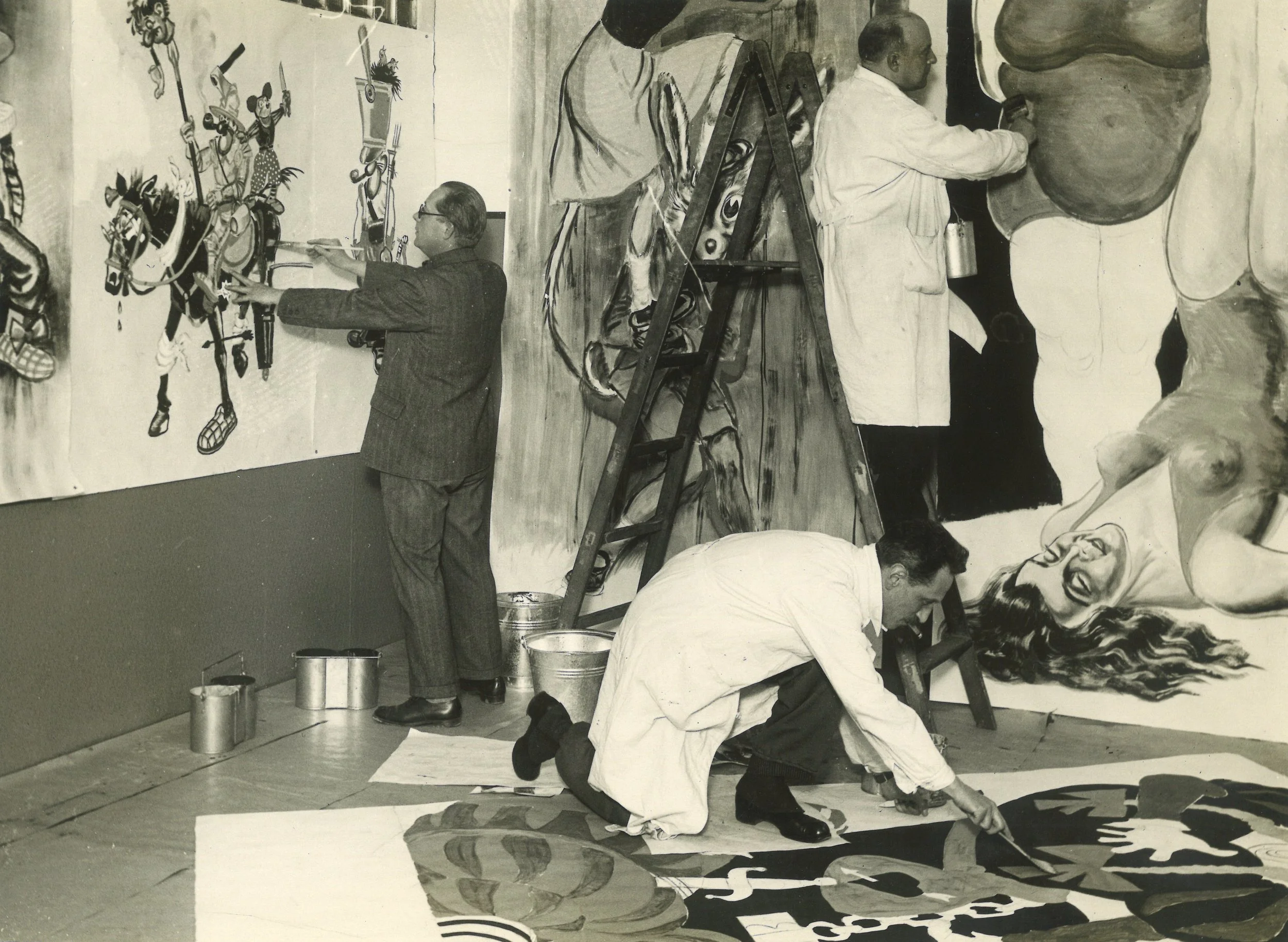
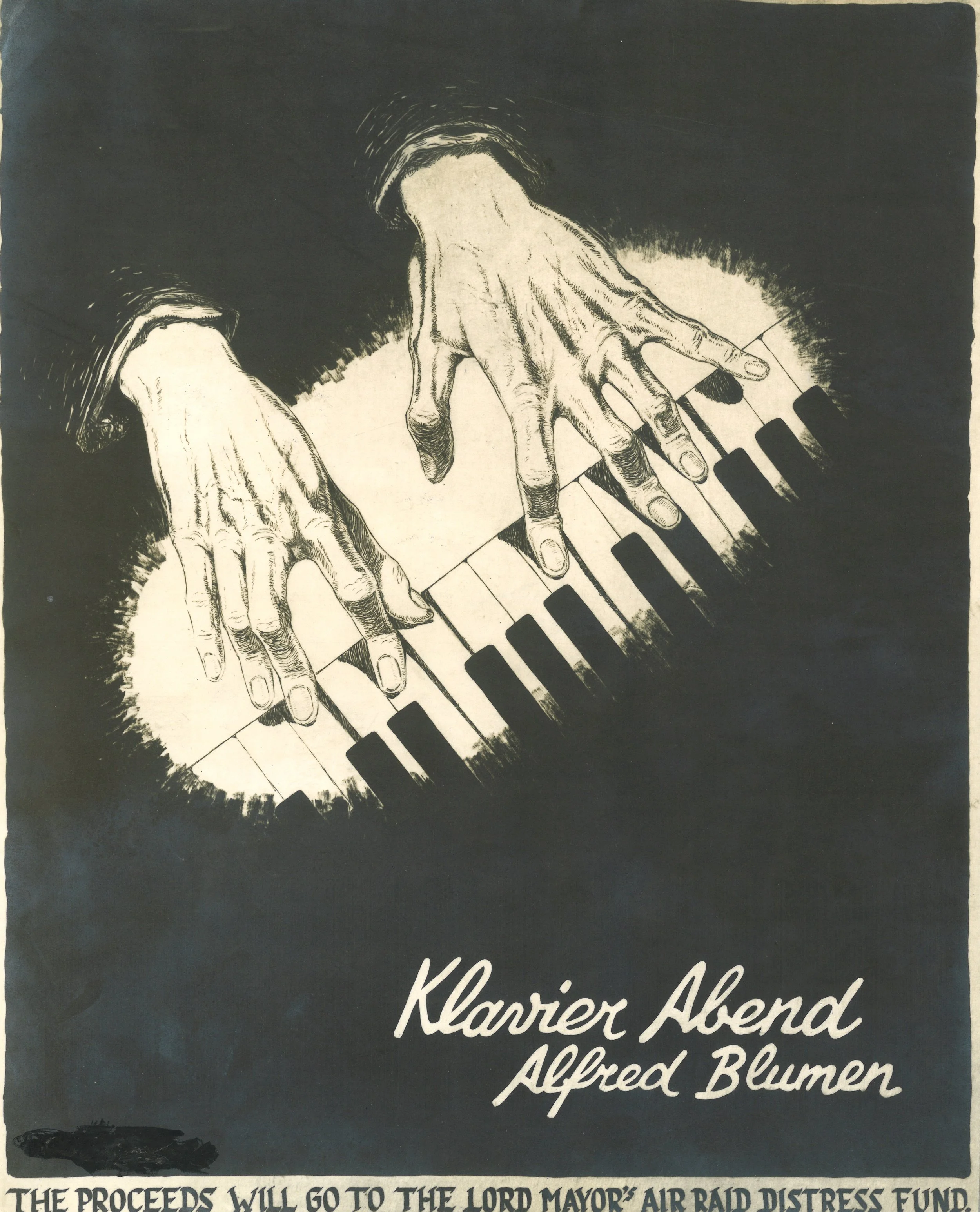
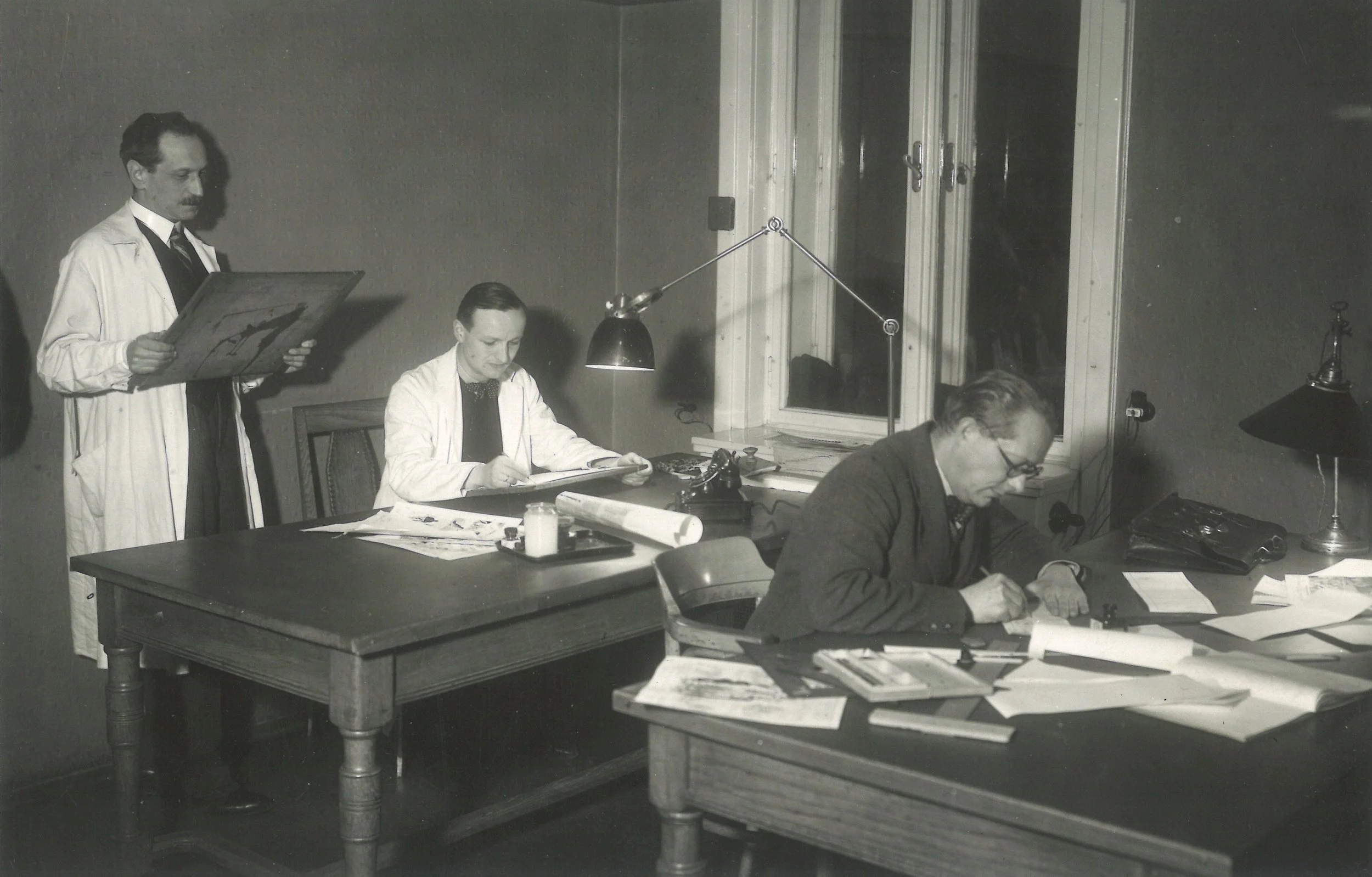
MOSCW was engaged to examine and consolidate the estate of Paul Humpoletz (b. Vienna, 1889), a Central European illustrator whose body of work had remained largely dispersed following his migration to Britain. The project centred on reconstructing the artist’s production across drawing, editorial illustration, children’s book work, and graphic narrative.
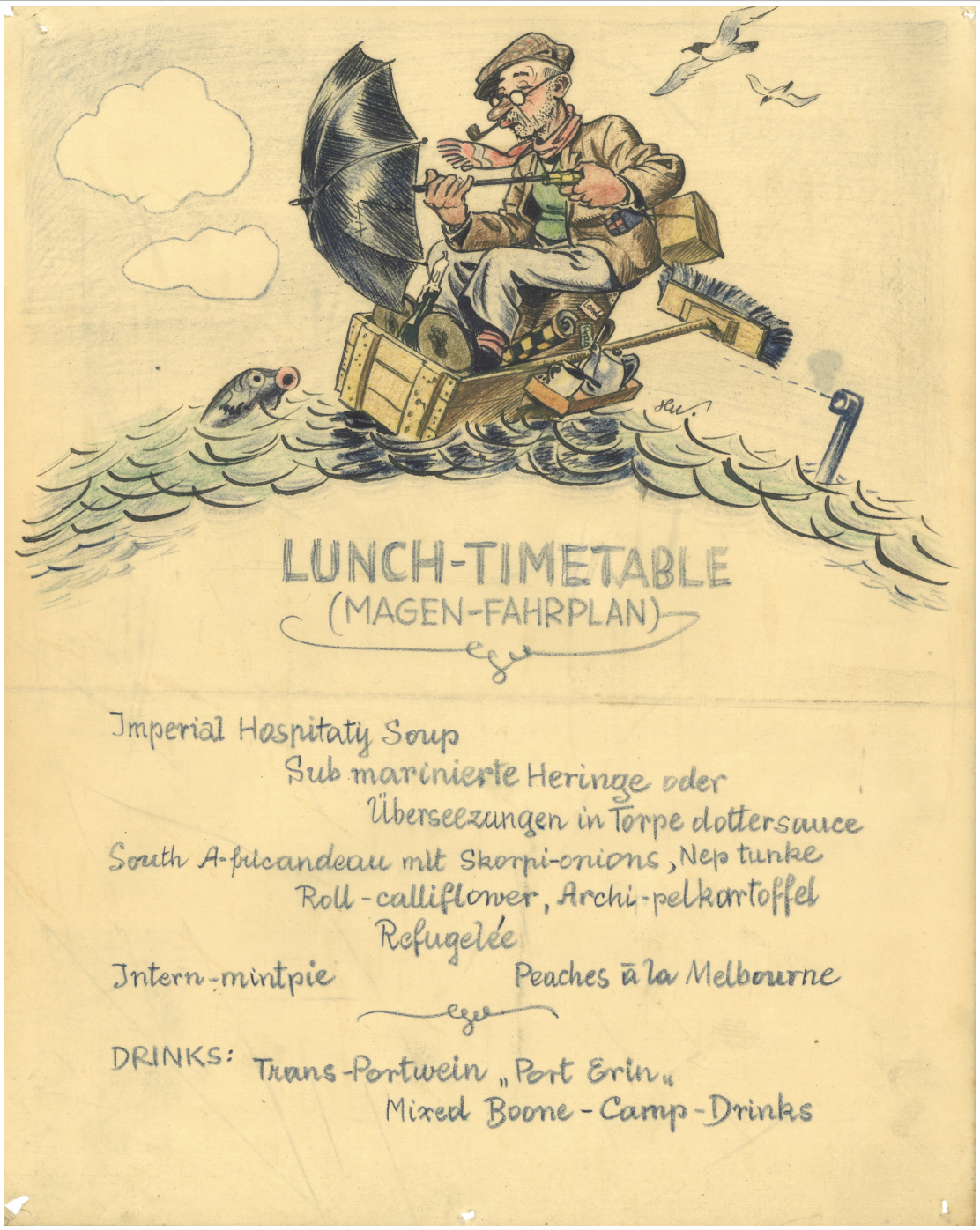
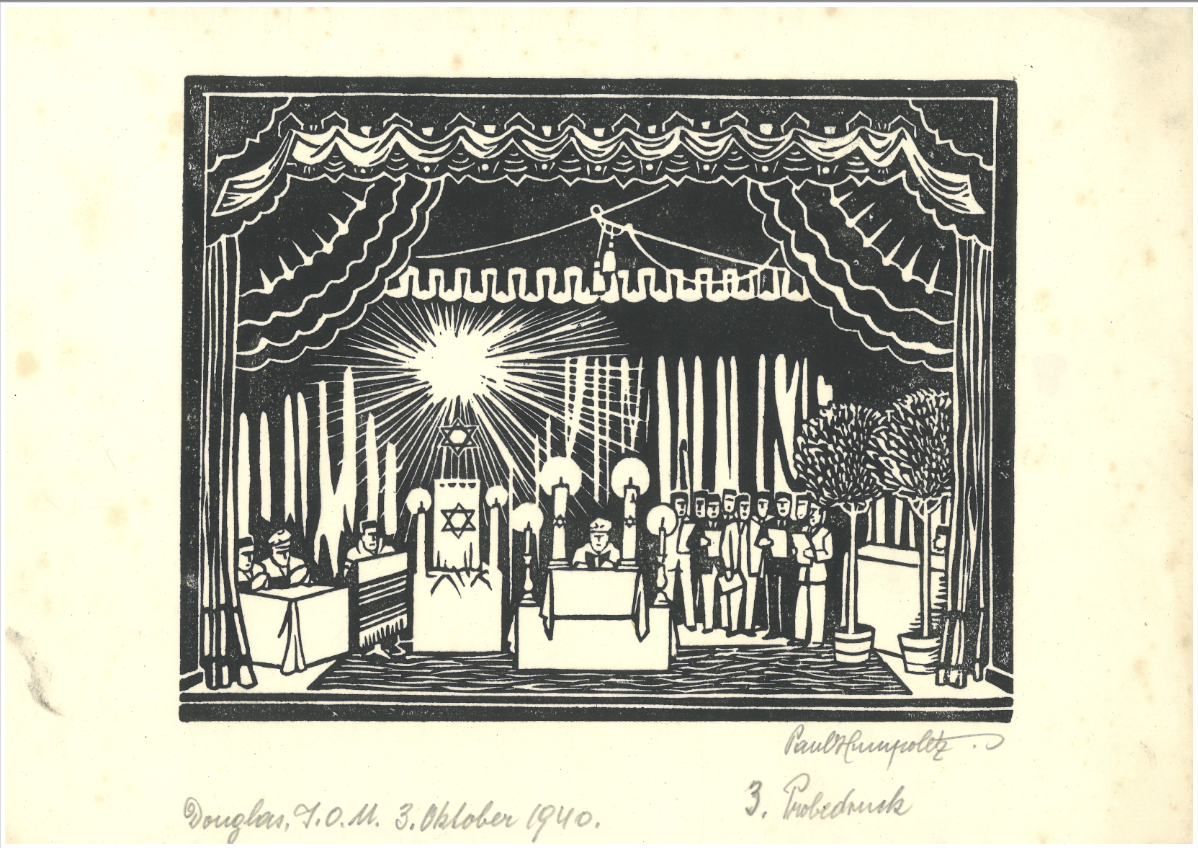
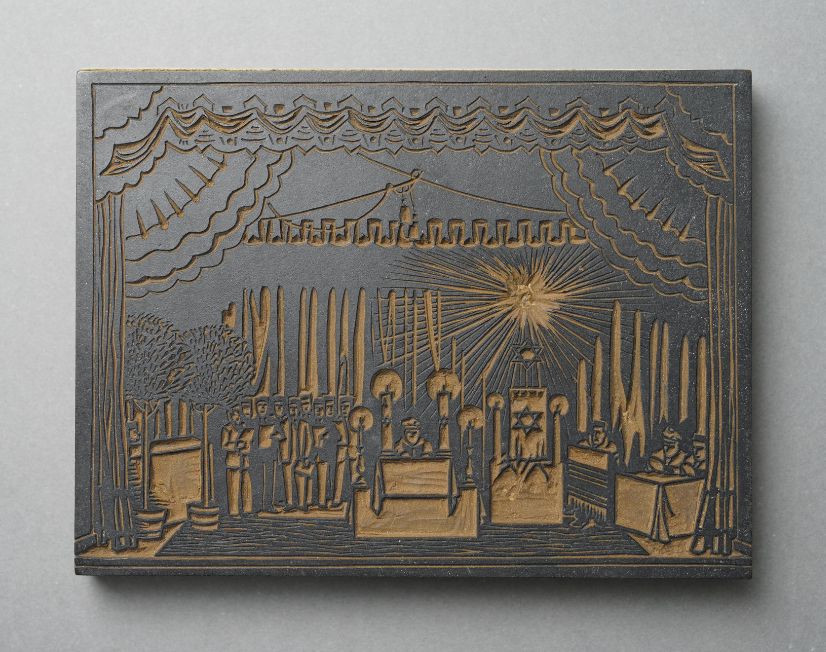
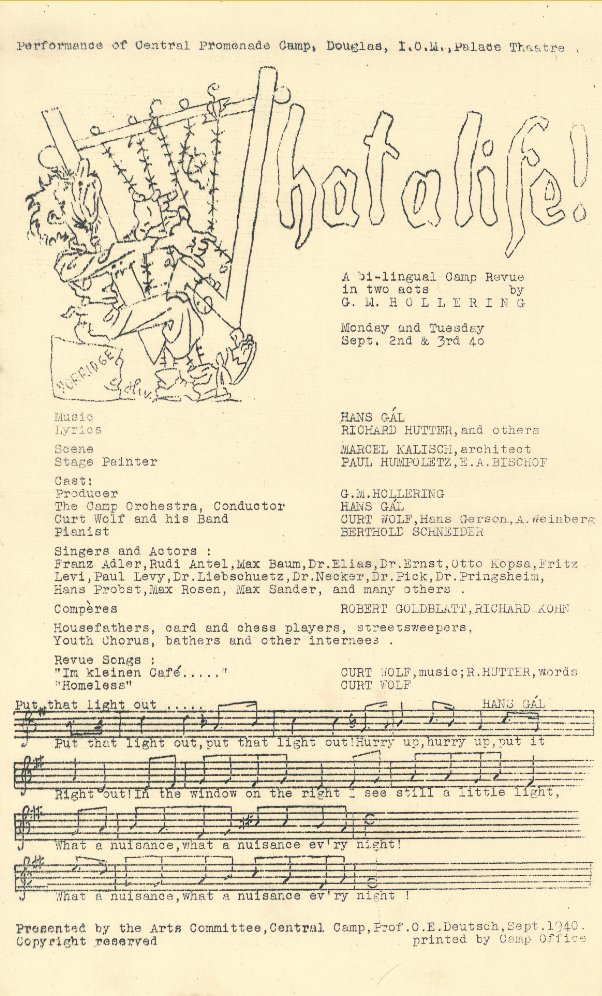
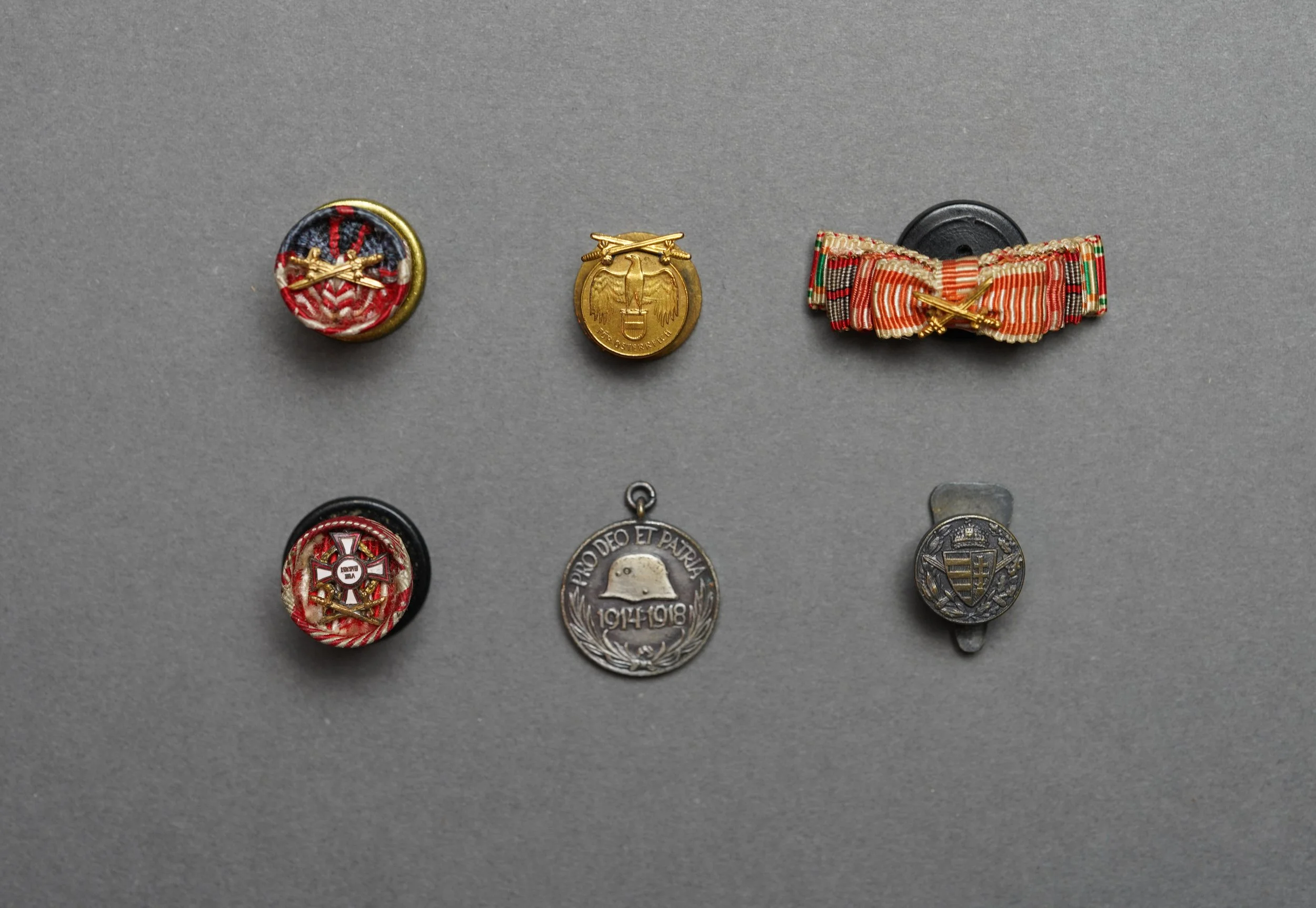
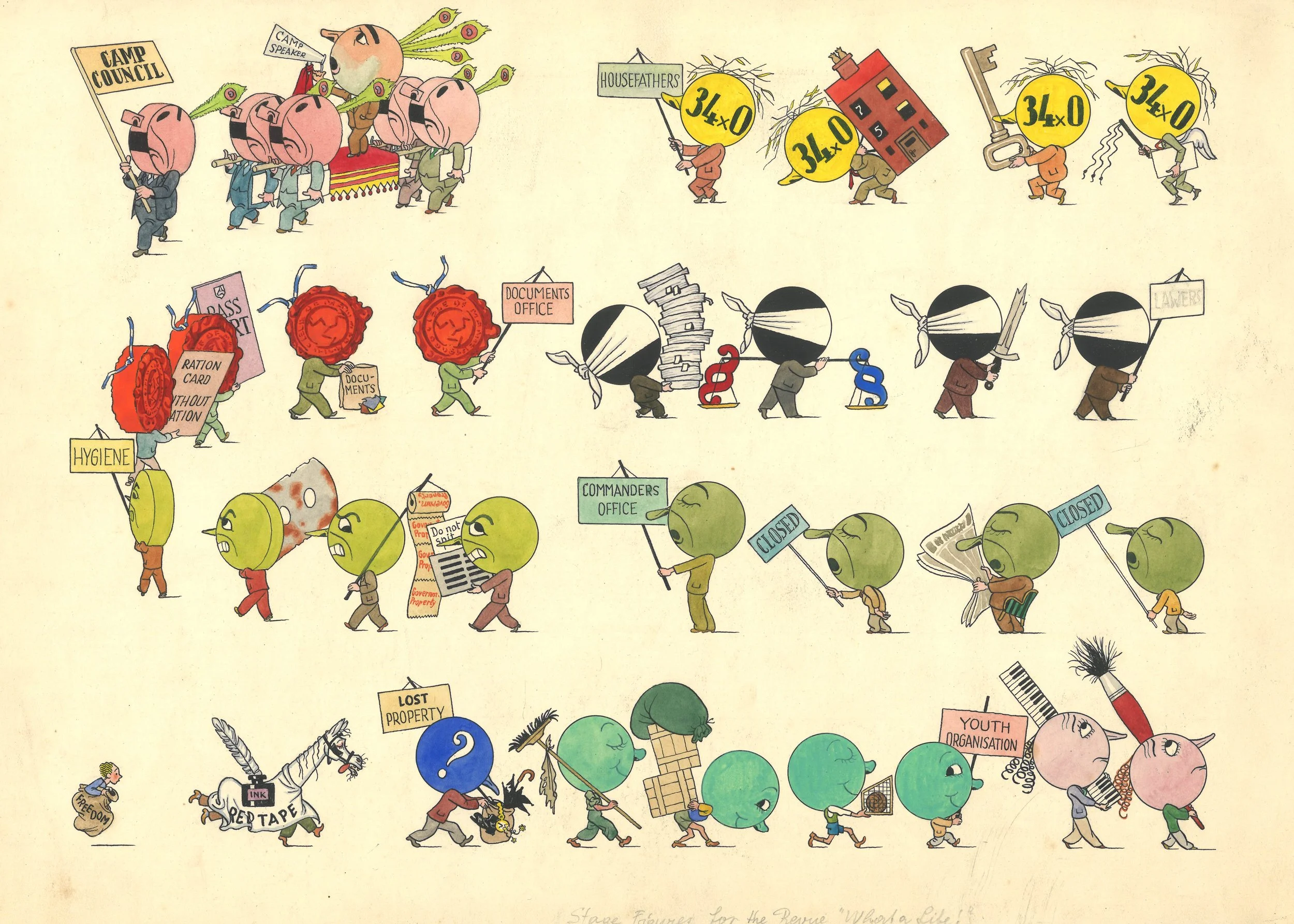
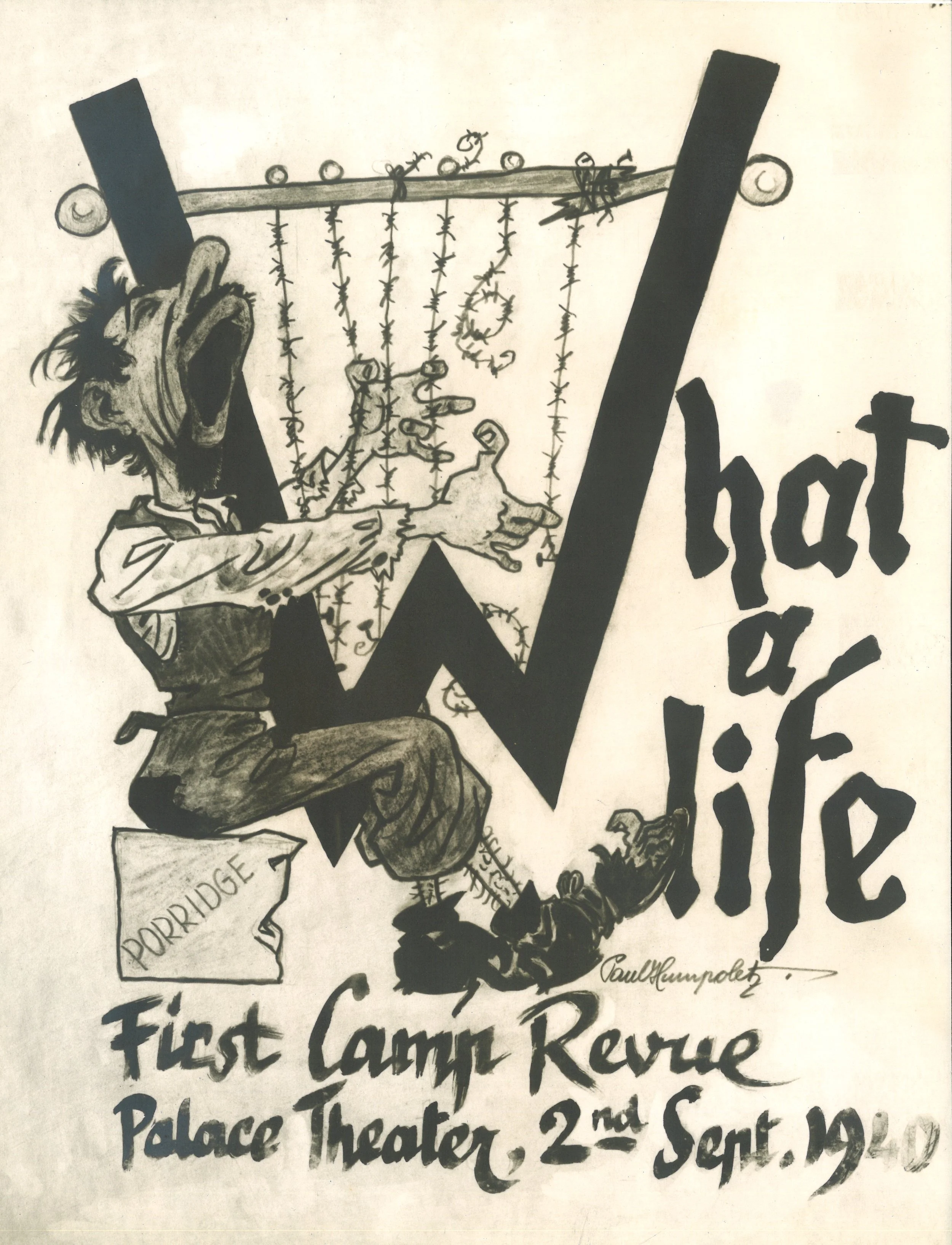
The collection reflected a practice shaped by the political upheavals of twentieth-century Europe, including forced migration, wartime internment in Britain, and eventual resettlement in post-war London. Materials included works on paper, personal documents, exhibition records, and scattered publication histories.
Humpoletz’s visual language combines traditions of Central European illustration with the editorial cultures of mid-century Britain. Across media, his work reveals a distinctive narrative sensibility: precise line, theatrical composition, and a balance between wit and psychological depth.
The dispersed nature of the material required interpretive reconstruction rather than simple cataloguing.
② MENTIONED BY MOSCW
MOSCW基準適合
③ MADE BY MOSCW
MOSCW基準適合
② MENTIONED BY MOSCW
MOSCWメソッド.
MOSCW approached the material through a research-led interpretive process combining close visual study with methodologies drawn from art history and cultural analysis.
The project examined the works within a broader artistic and historical trajectory shaped by migration, exile, and adaptation across cultural environments. Viewed in this way, Humpoletz’s artworks reveal a practice operating between Central European illustration traditions and the visual cultures of mid-century Britain.
This relational reading draws on the Warburgian tradition of cultural history, in which meaning emerges through the comparison and juxtaposition of images across time and context, alongside object-based art historical analysis attentive to form, medium, and technique.
Interpretation moved hermeneutically between individual works, biographical evidence, and historical circumstances in order to reconstruct the internal logic of the artist’s practice. Close collaboration with the artist’s family provided essential insight into undocumented relationships between works and fragments of historical context.
Through this process the body of work became legible as a historically situated practice rather than an isolated group of artworks.
③ MADE BY MOSCW
MOSCW consolidated the collection through a structured programme of archival research, cataloguing, and digital documentation.
Key outputs included:
• Archival catalogue (2,500 works)
• Digitisation and inventory system
• Research documentation
• Collection consolidation
The project produced a comprehensive scholarly catalogue of Humpoletz’s work, organising drawings, publications, exhibition records, and contextual research into a coherent reference structure.
Approximately 2,500 works were digitised to museum-standard specifications and indexed through a structured inventory combining high-resolution imaging, metadata, and cross-referenced documentation.
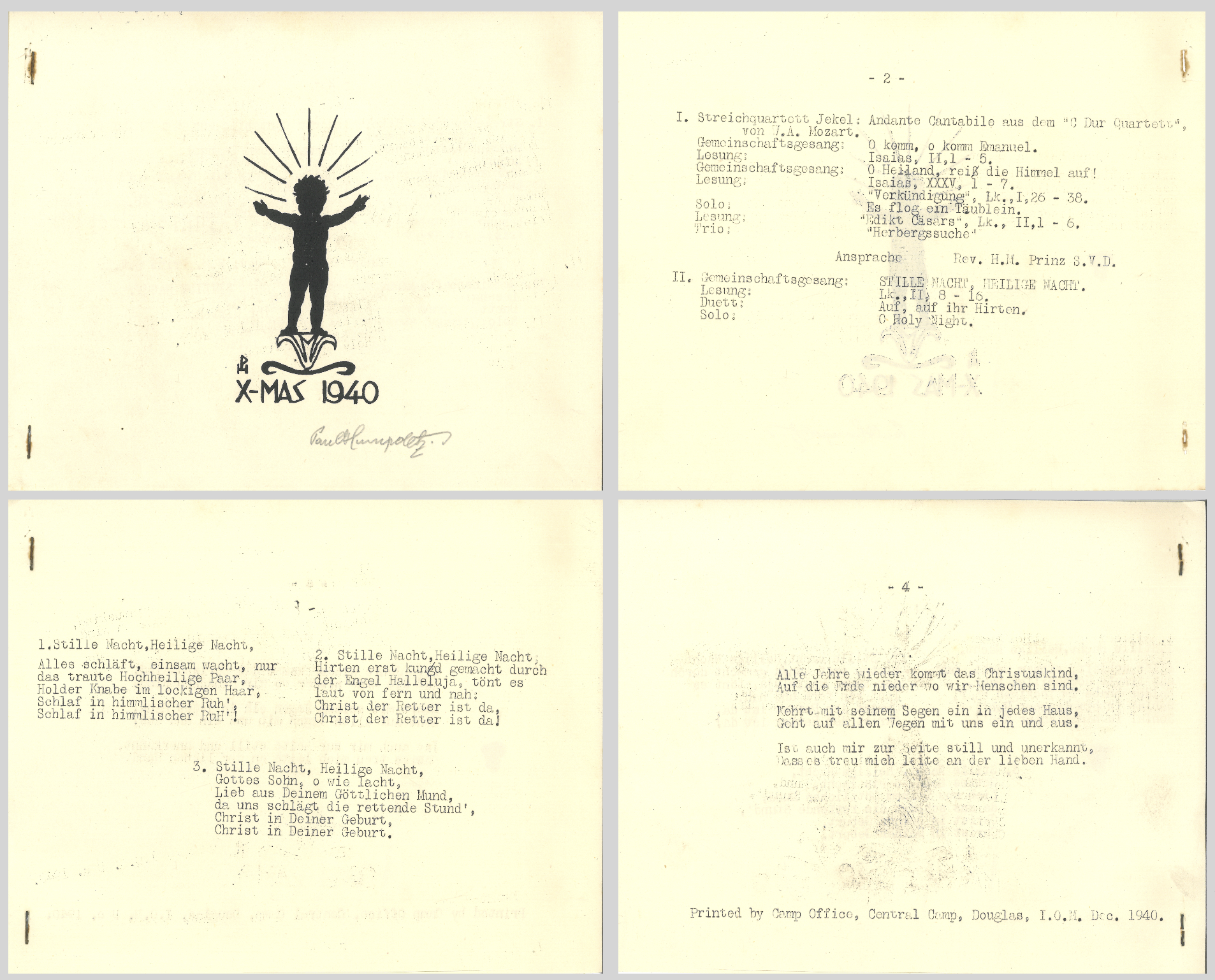
Sustained historical research—undertaken in collaboration with the artist’s family—traced Humpoletz’s artistic networks across interwar Vienna, wartime Britain, including his internment at Hutchinson War Camp in 1941 alongside German artist Kurt Schwitters, and the post-war London illustration environment.
The project culminated in the acquisition of the estate by the Museum of Applied Arts (MAK), Vienna, securing the collection within a major European institution and returning the artist’s work to the city of his birth. The project established a coherent and documented body of work, enabling future research, exhibition, and institutional stewardship.
② MENTIONED BY MOSCW
Gallery