Fine Art Exhibition
London | Greece
2023
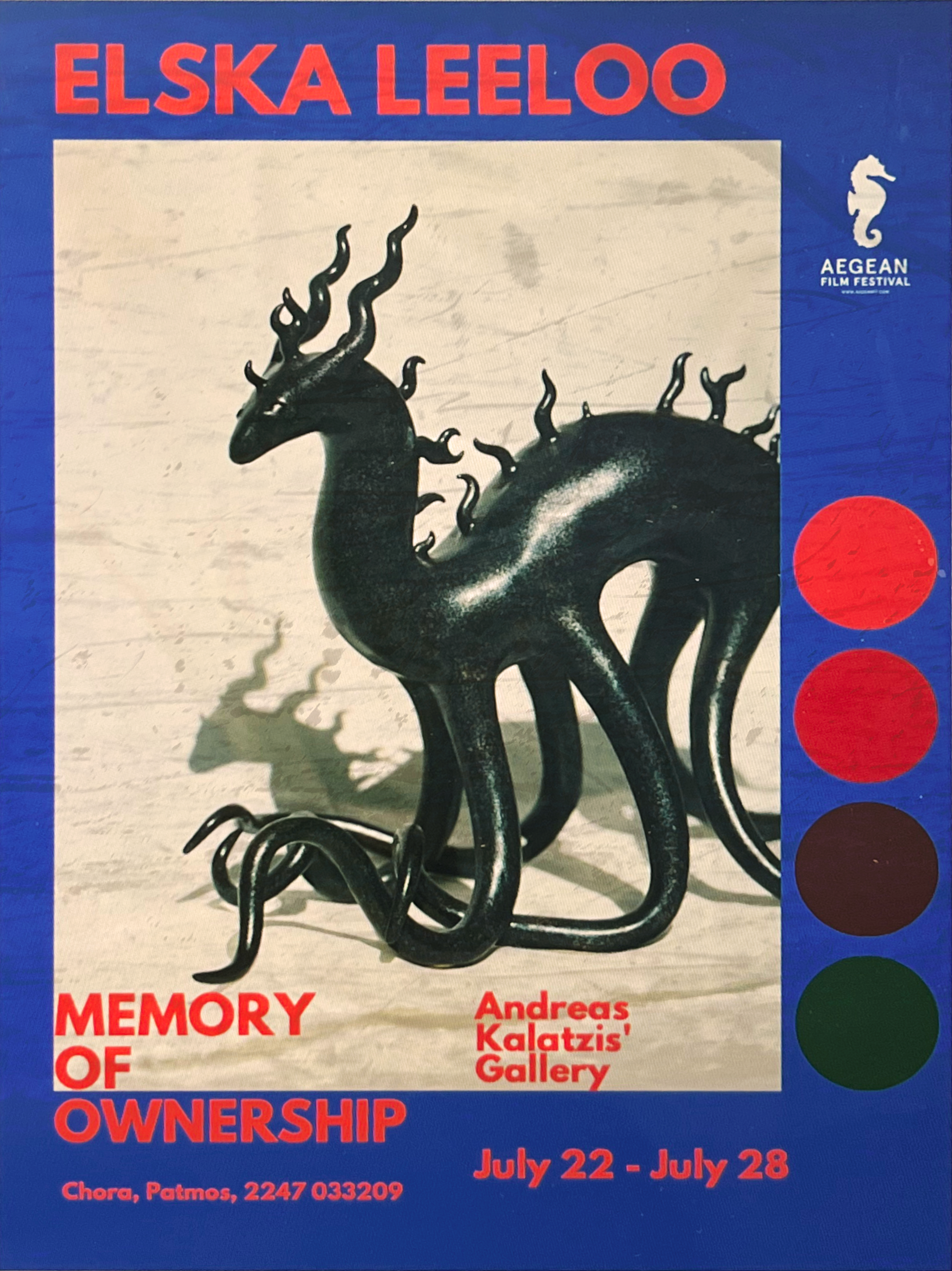
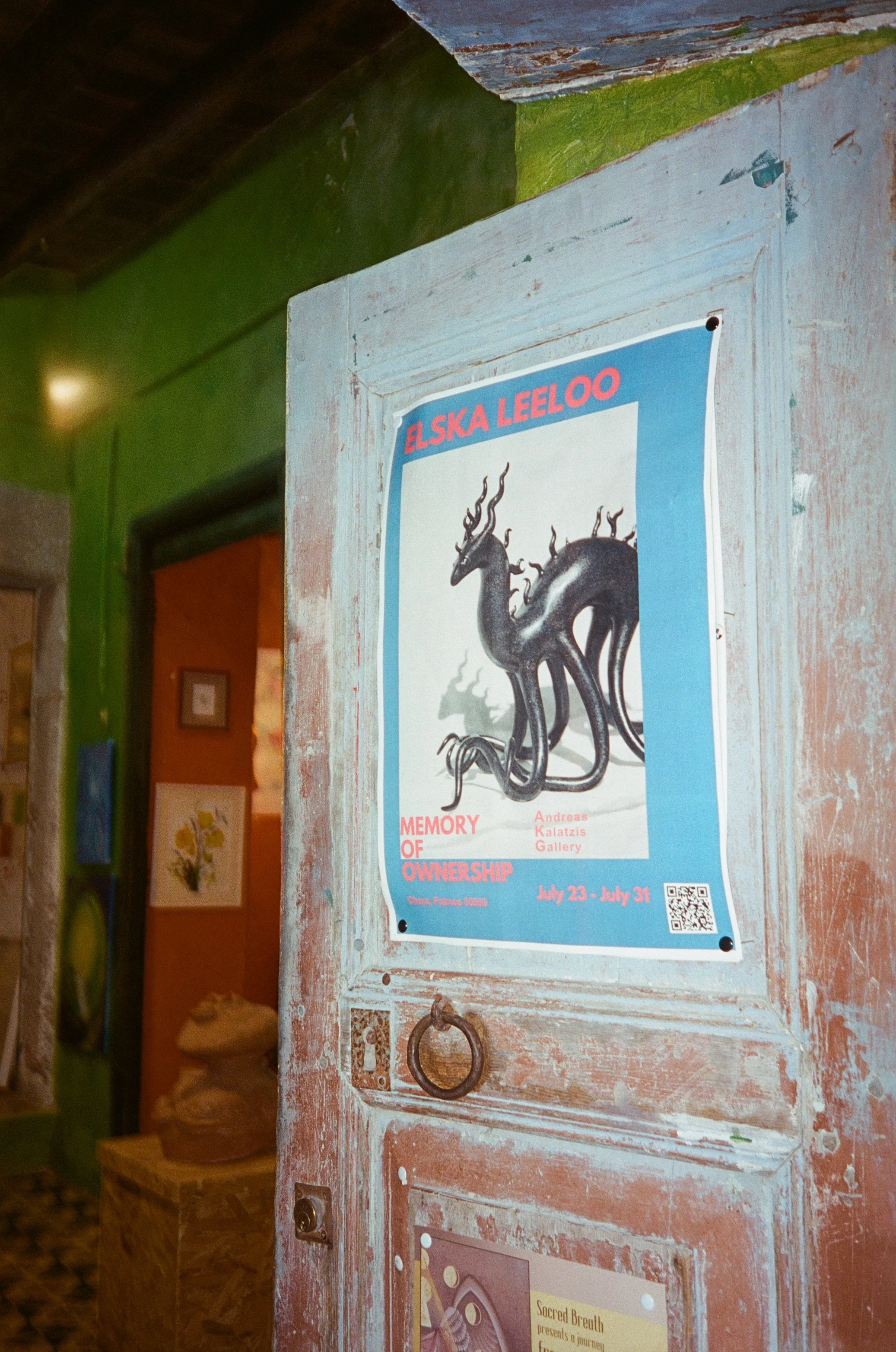
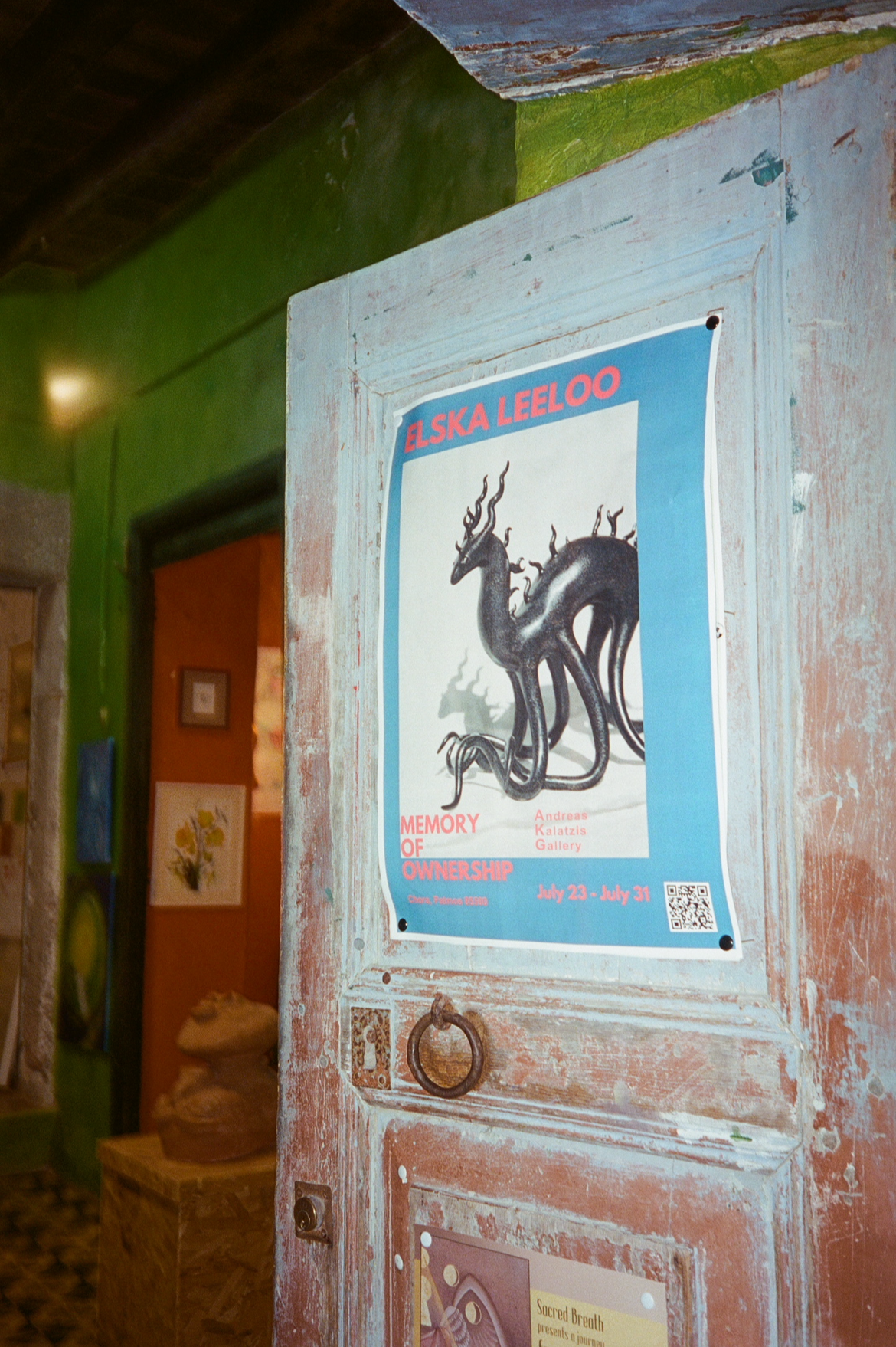
MEMORY OF OWNERSHIP

Project
CURATION
CURATION
MEMORY OF OWNERSHIP
Fine Art Exhibition
London | Greece
2023
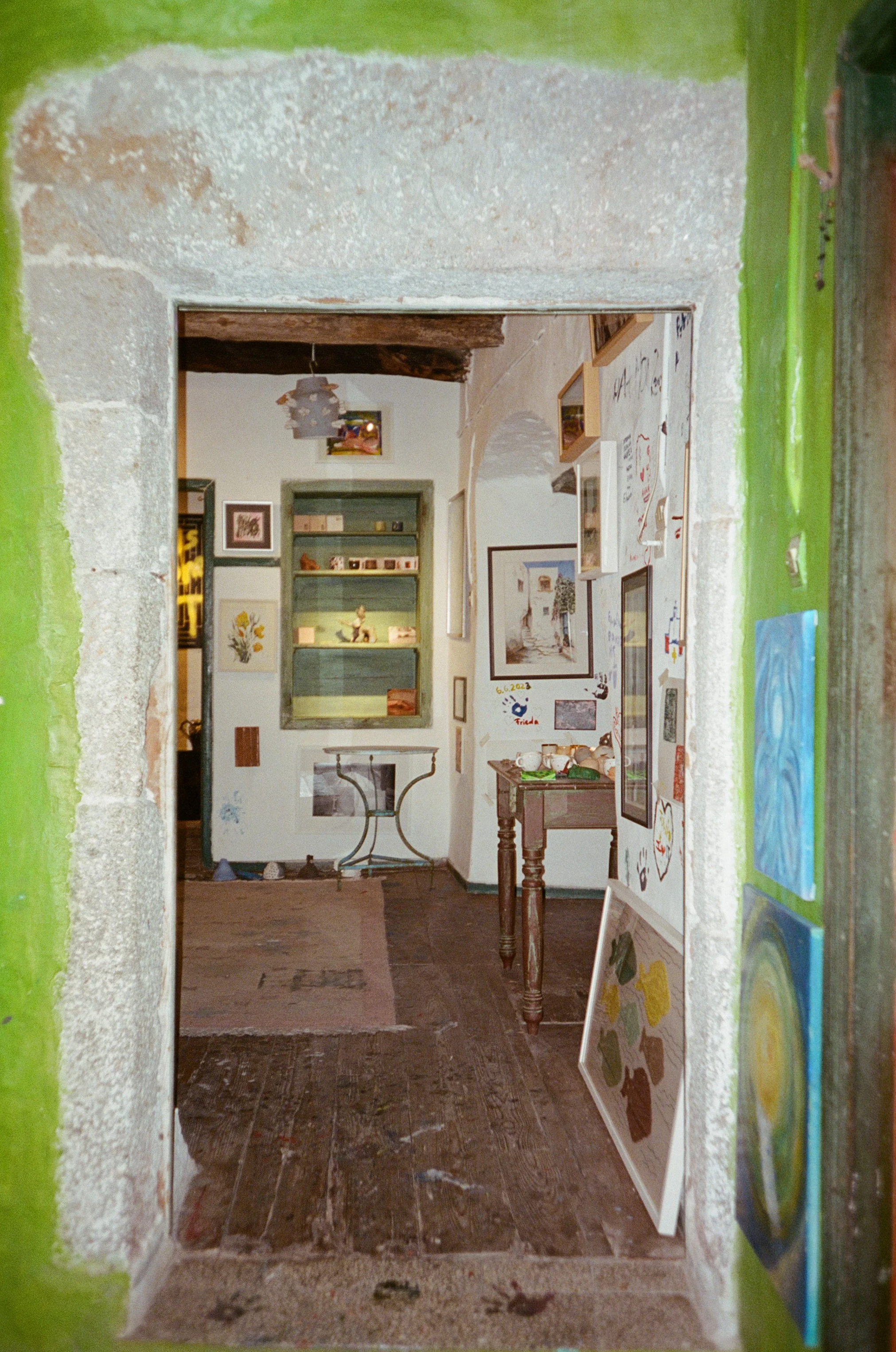
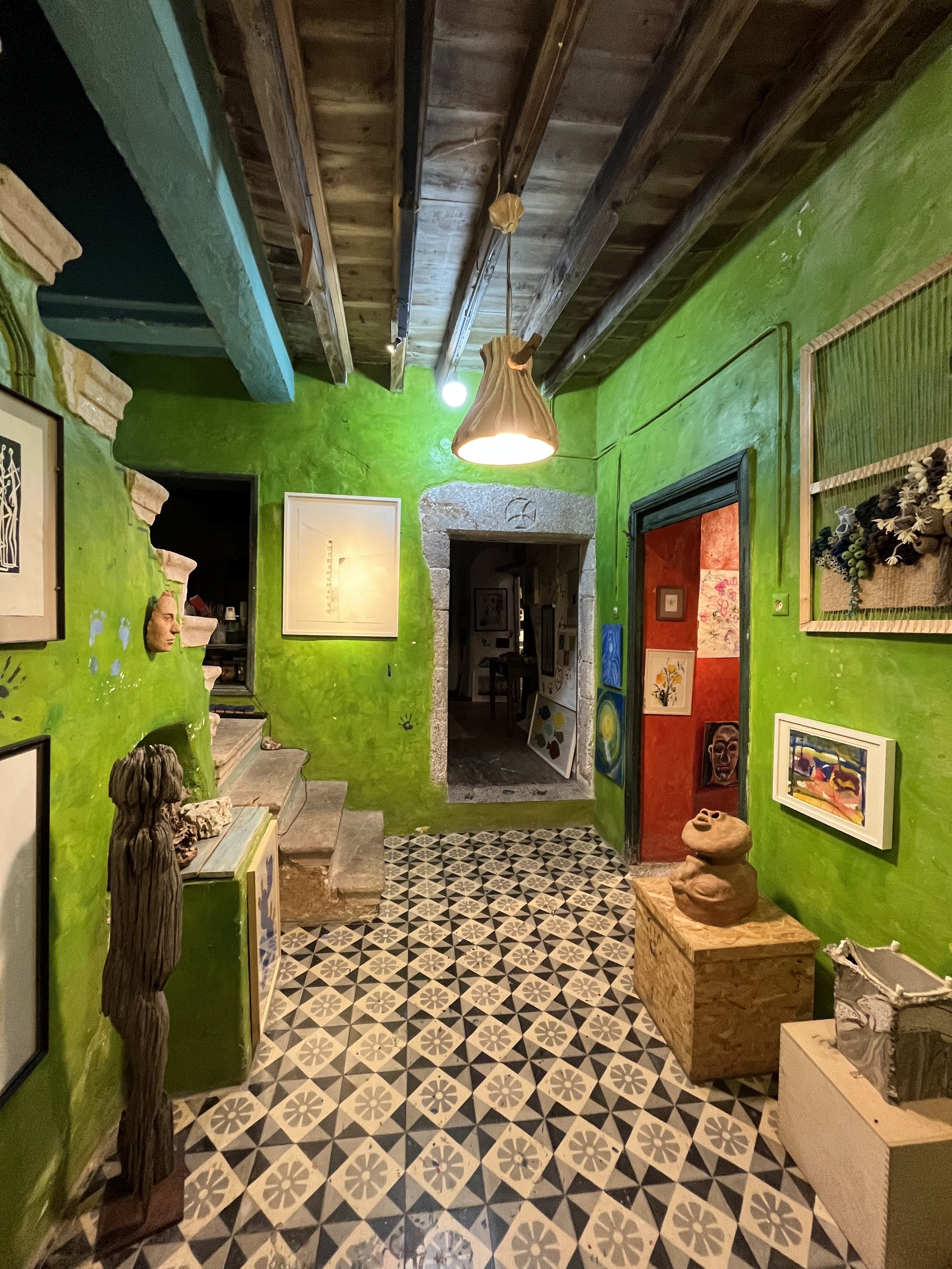
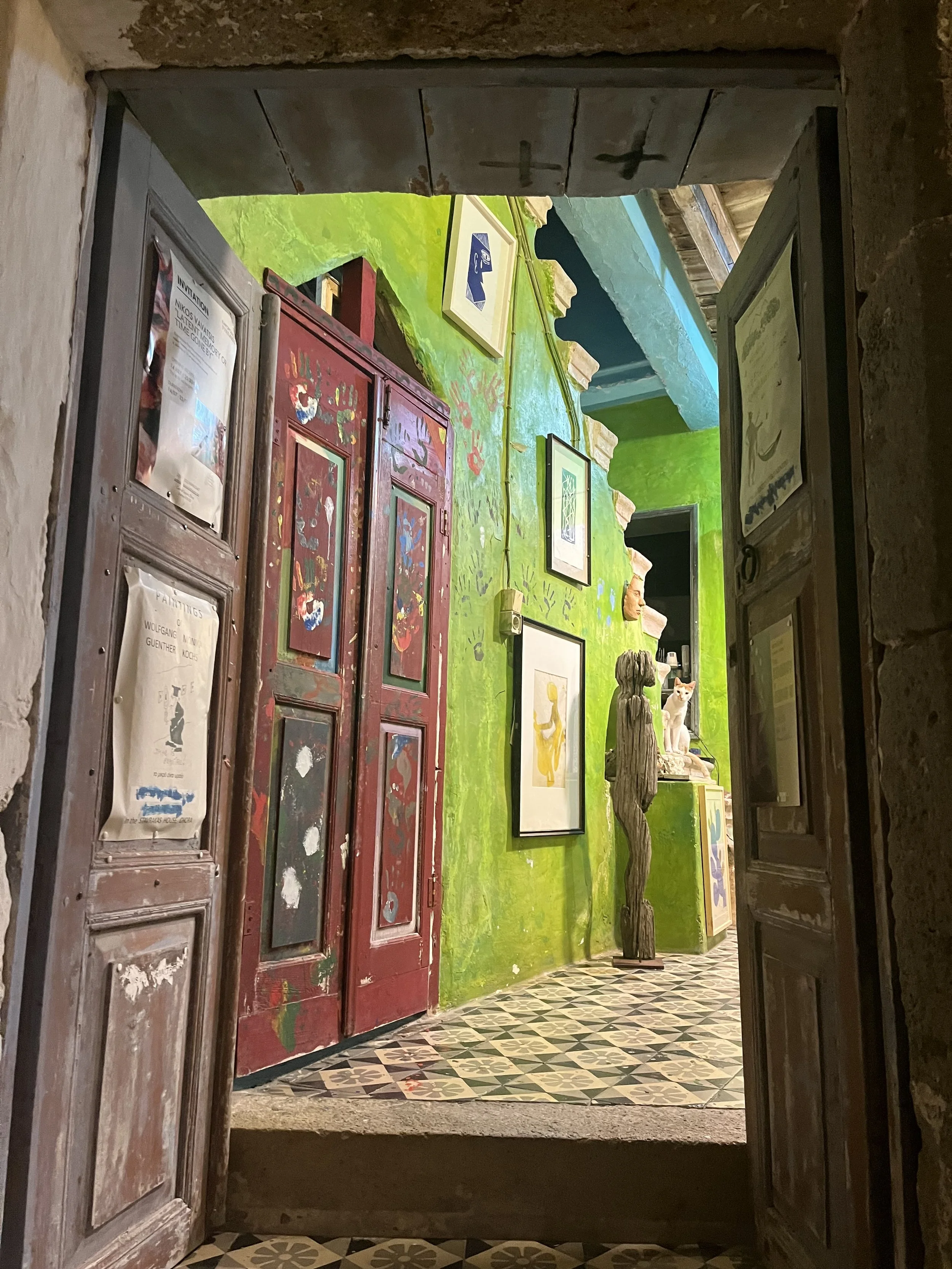
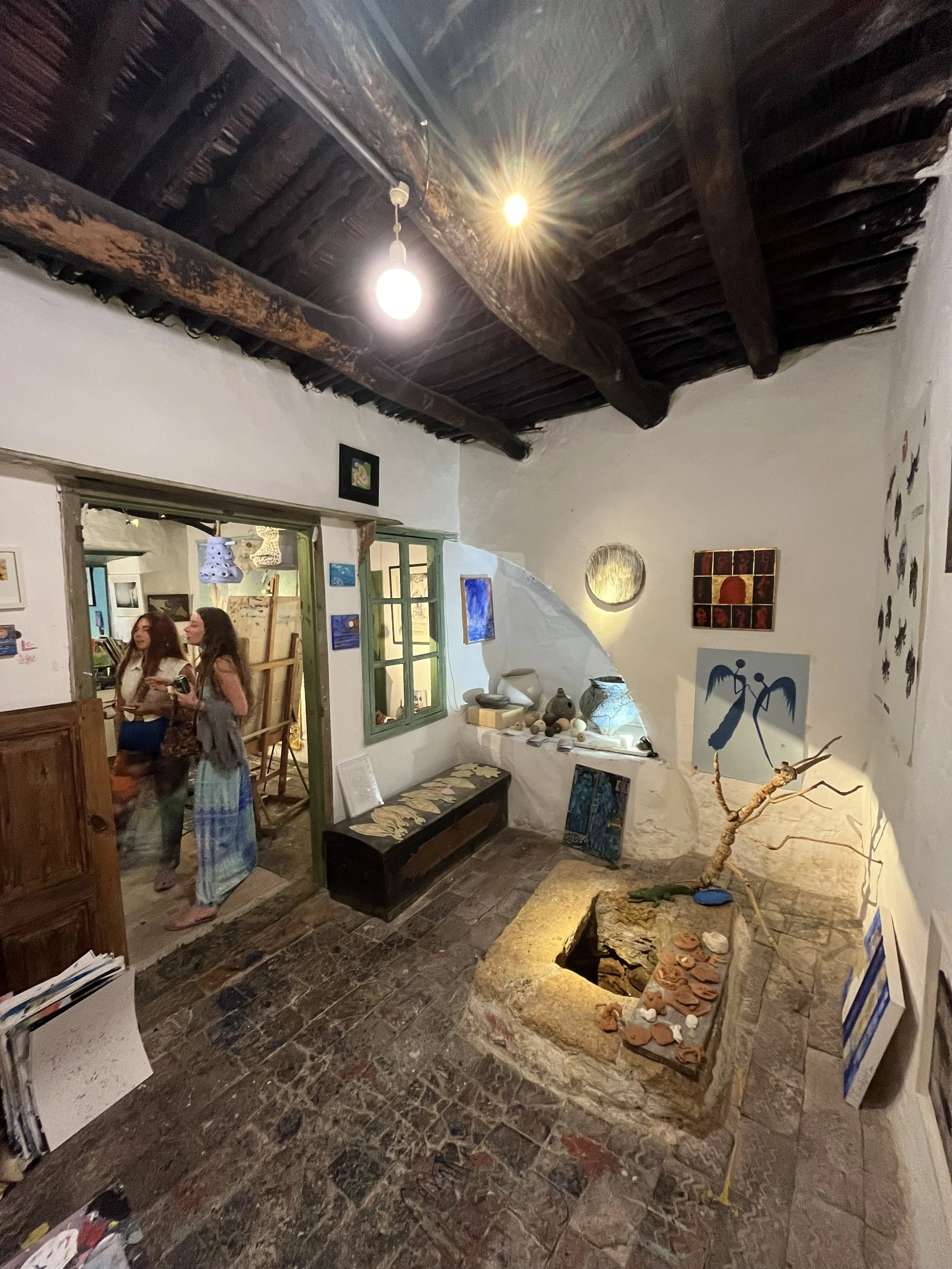
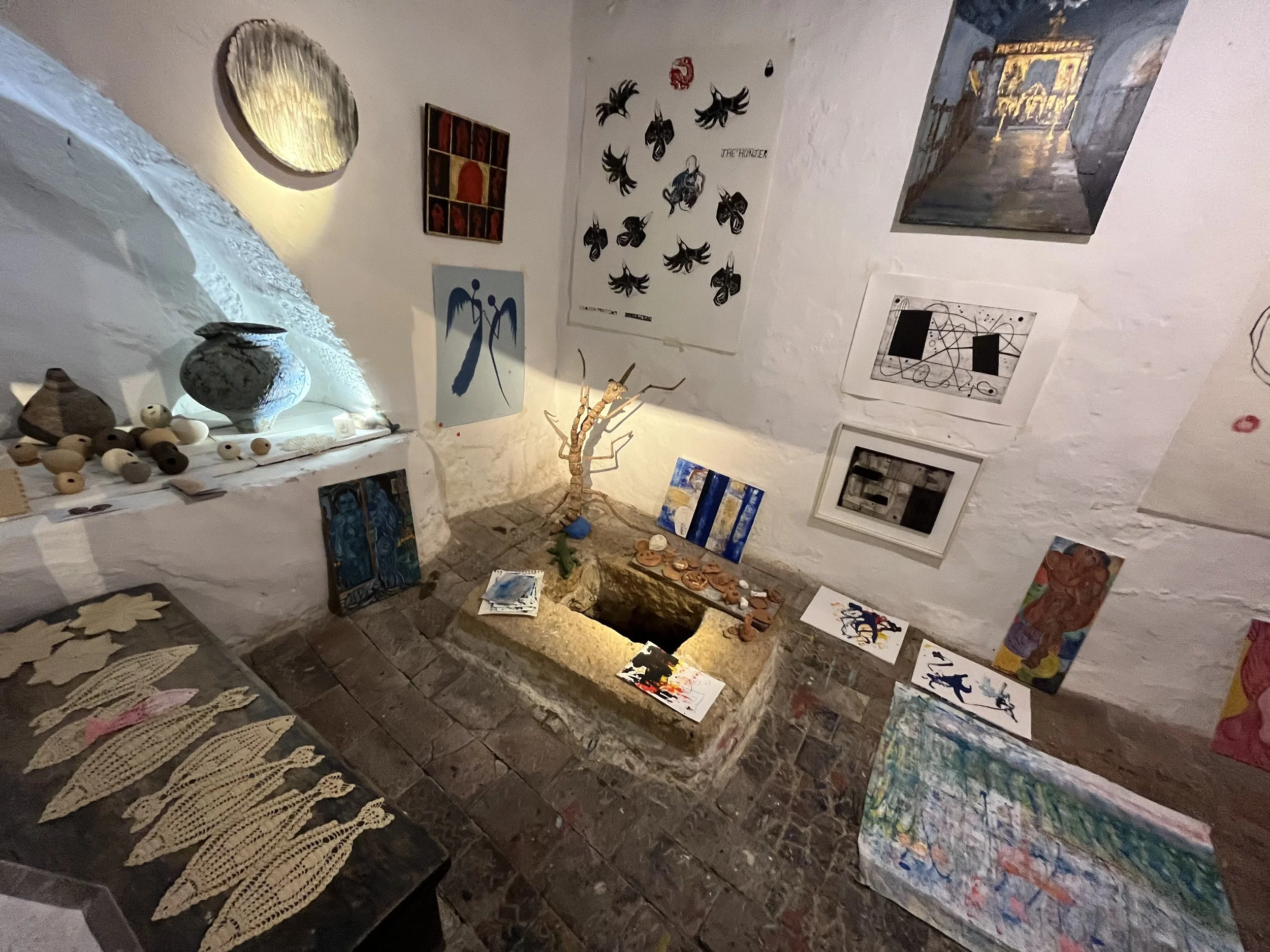
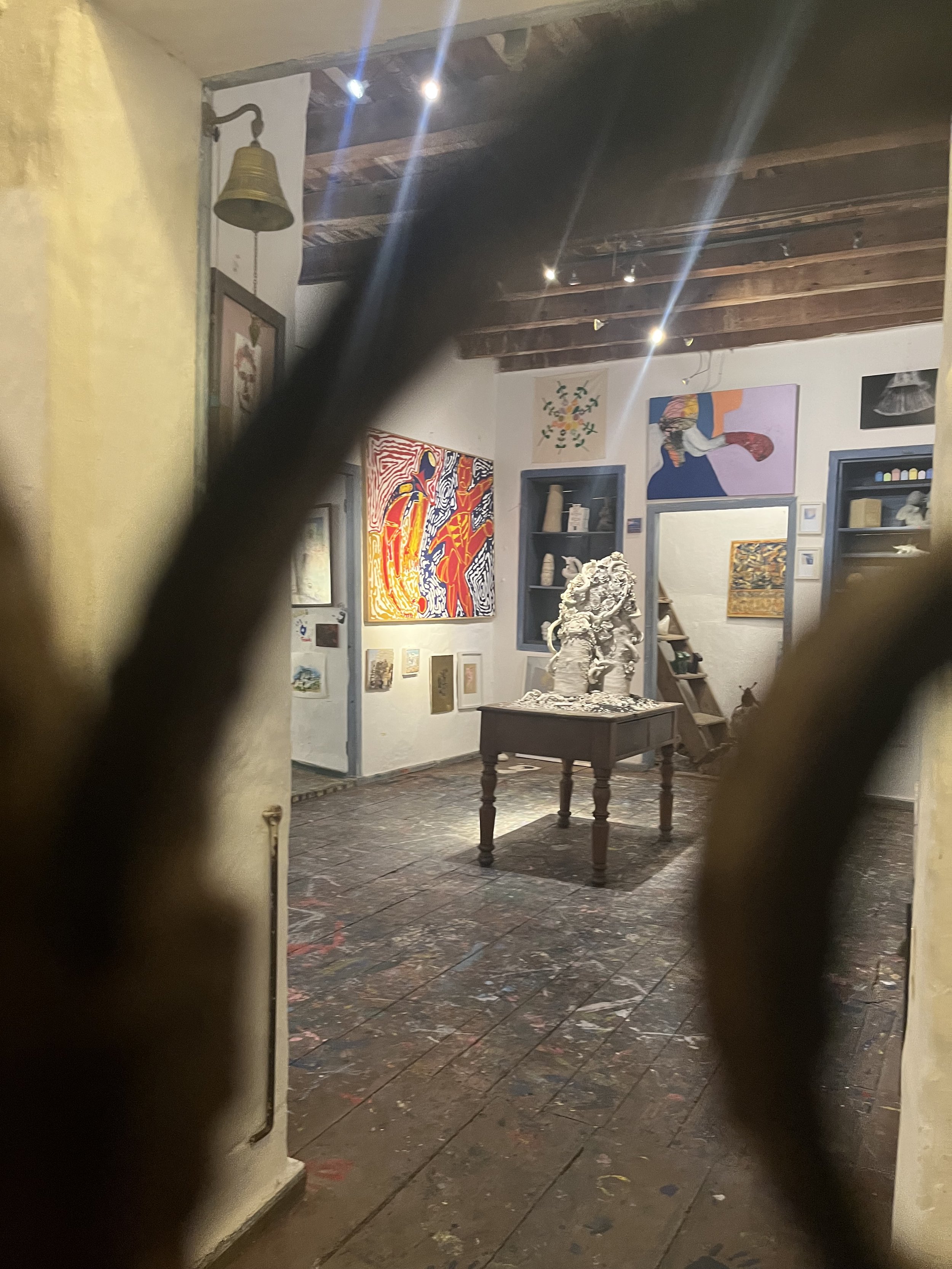
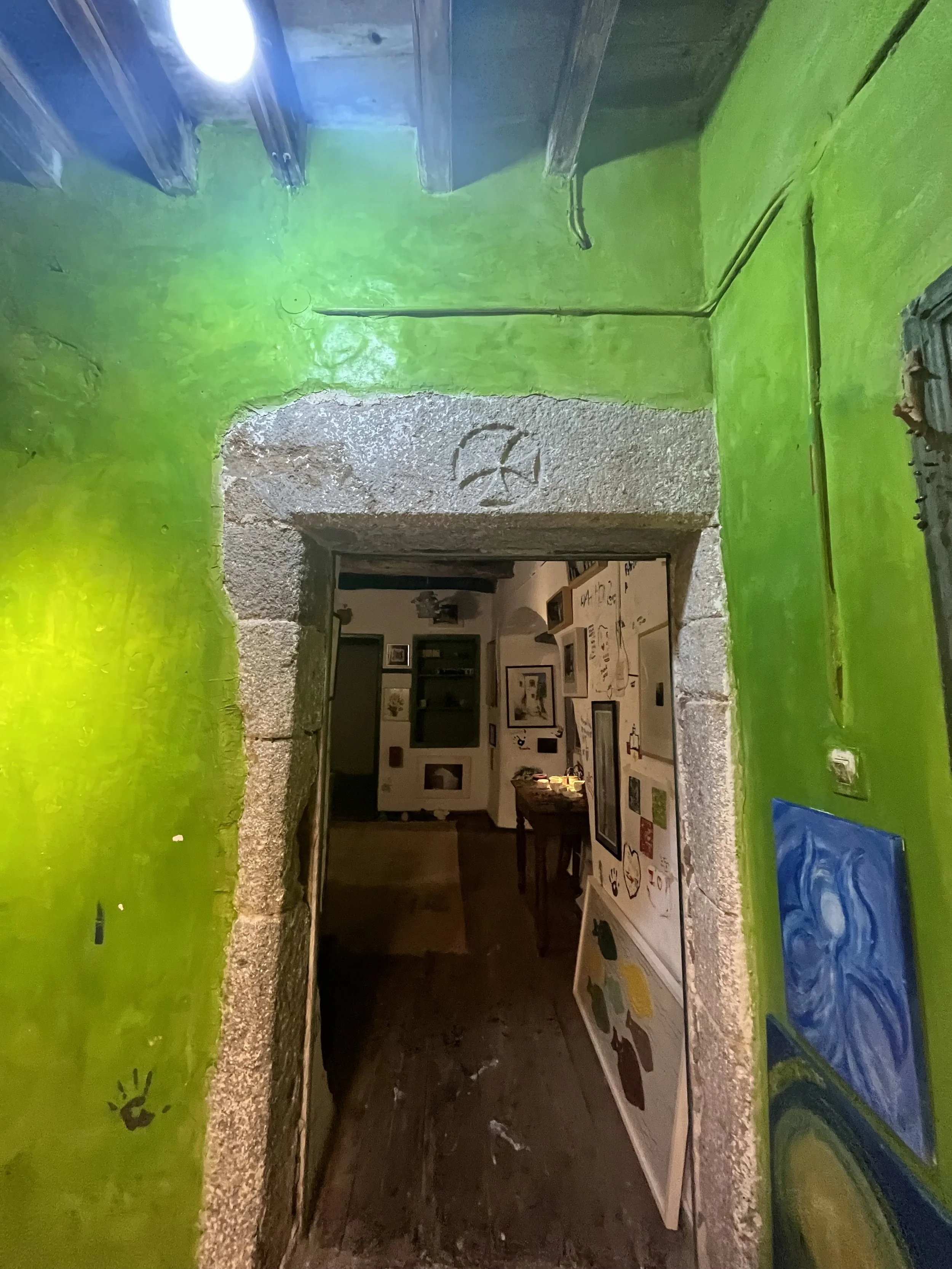
Andreas Kalatzis Gallery, Patmos
Project
① MET BY MOSCW
MOSCWメソッド.
Memory of Ownership emerged through MOSCW’s collaboration with London-based ceramic artist Elska Leeloo, initiated during the development of a sculptural commission to redesign the Seahorse Award for the Aegean Film Festival in Patmos, Greece.
During this period, a wider body of work began to take shape. Developed over several months, the project expanded into a constellation of ceramic sculptures, drawings and written material exploring the relationship between personal memory, migration and the narrative structures embedded within cinema, mythology and everyday life.
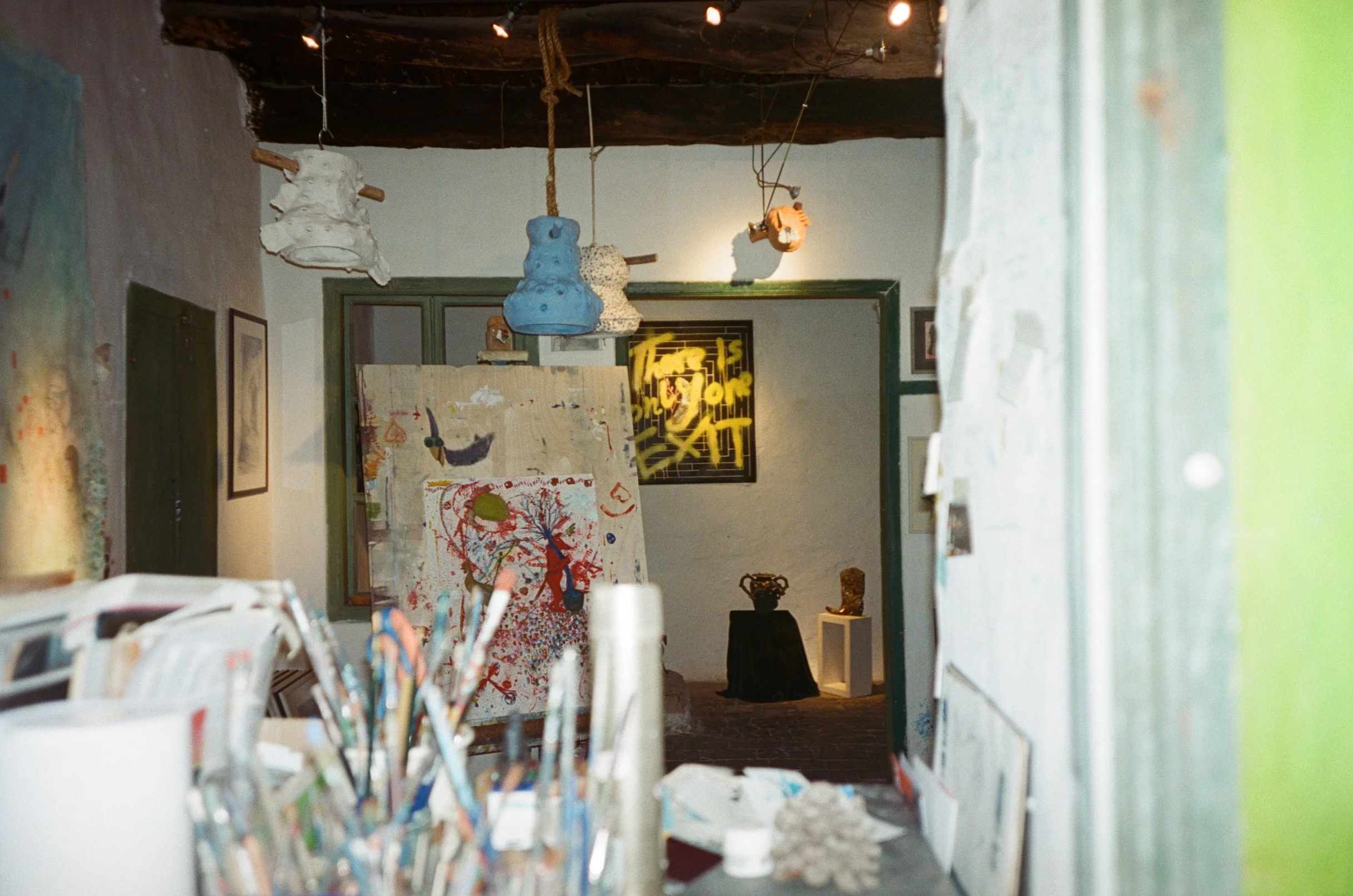
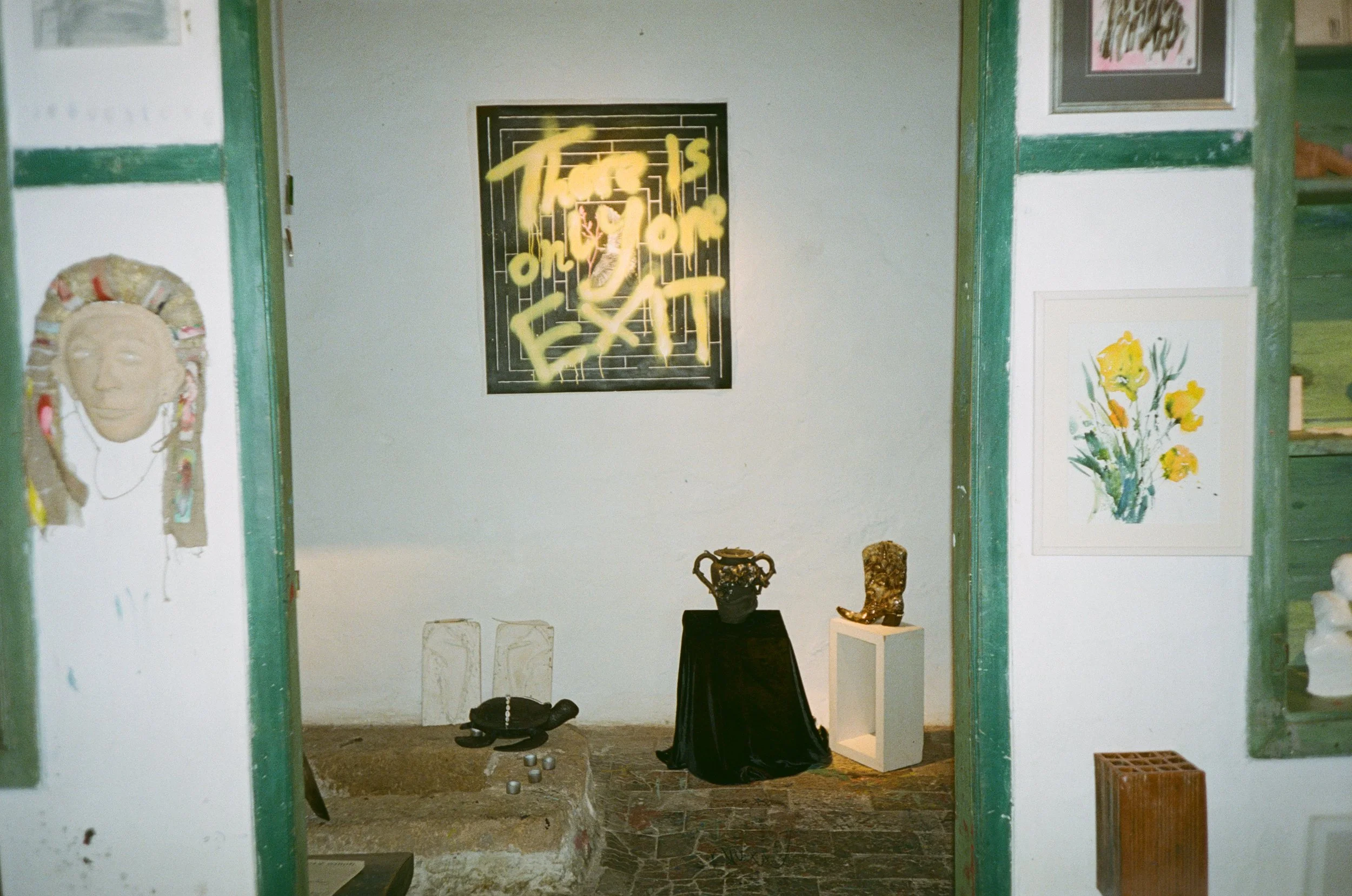
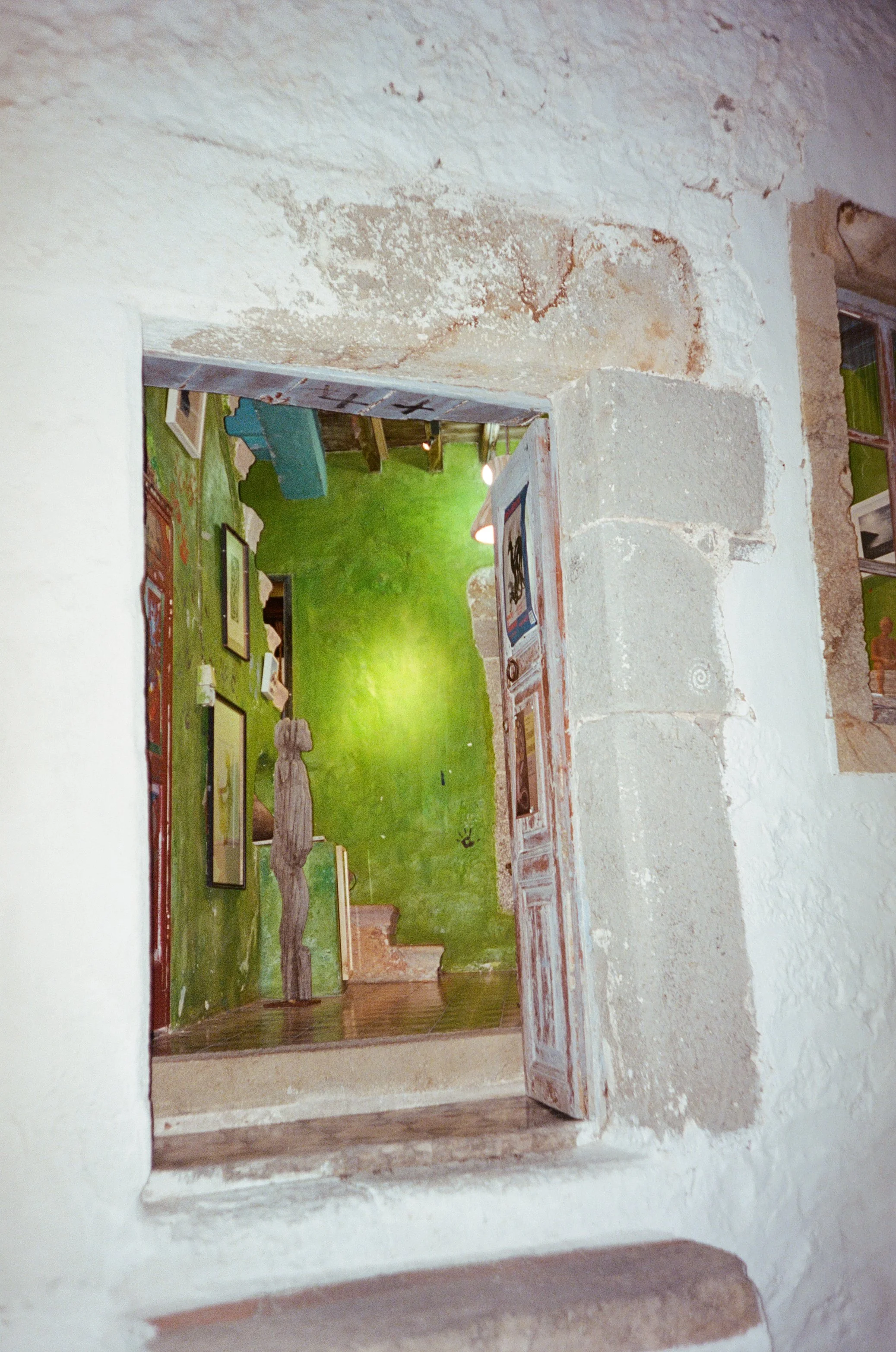
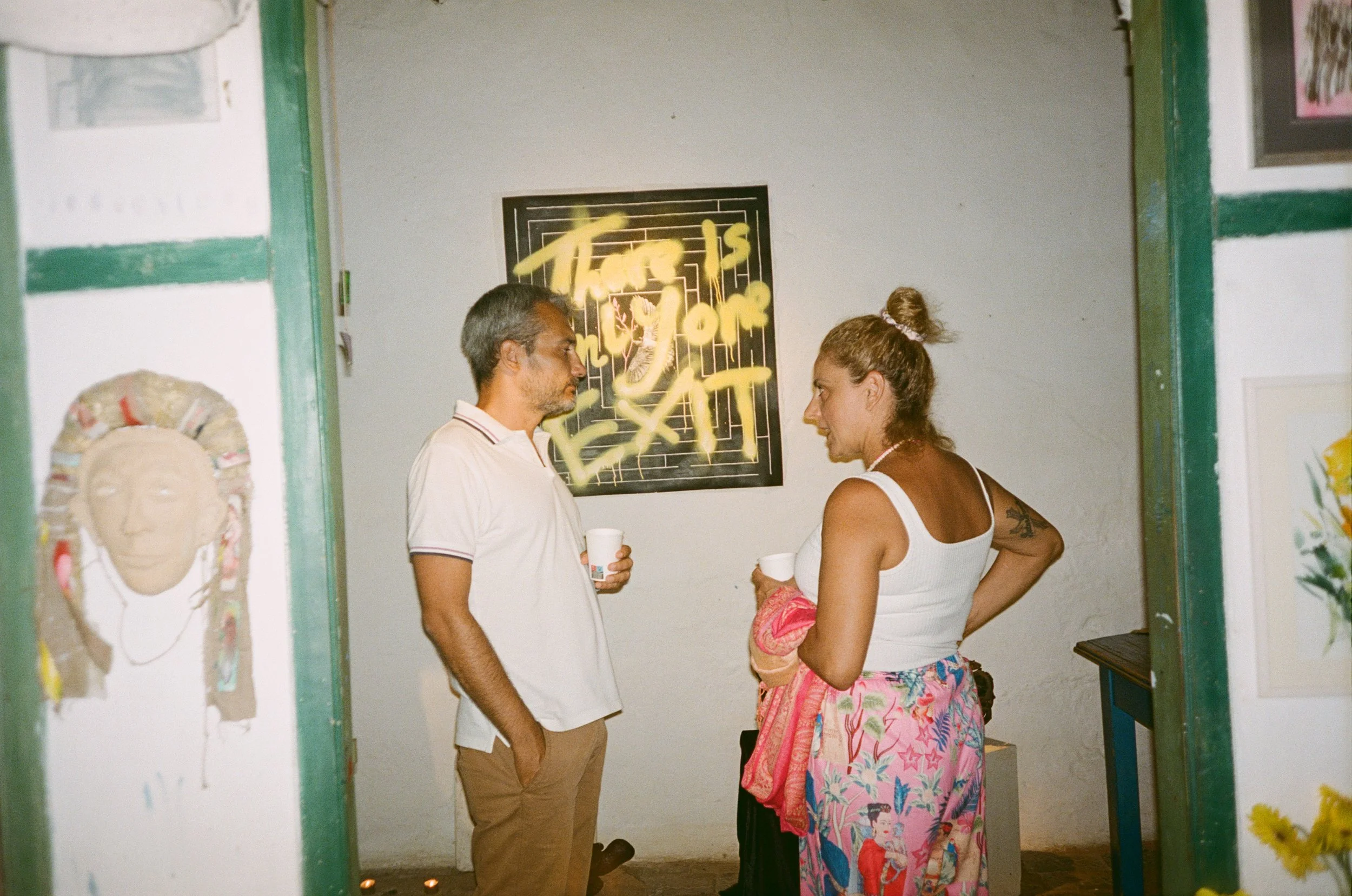
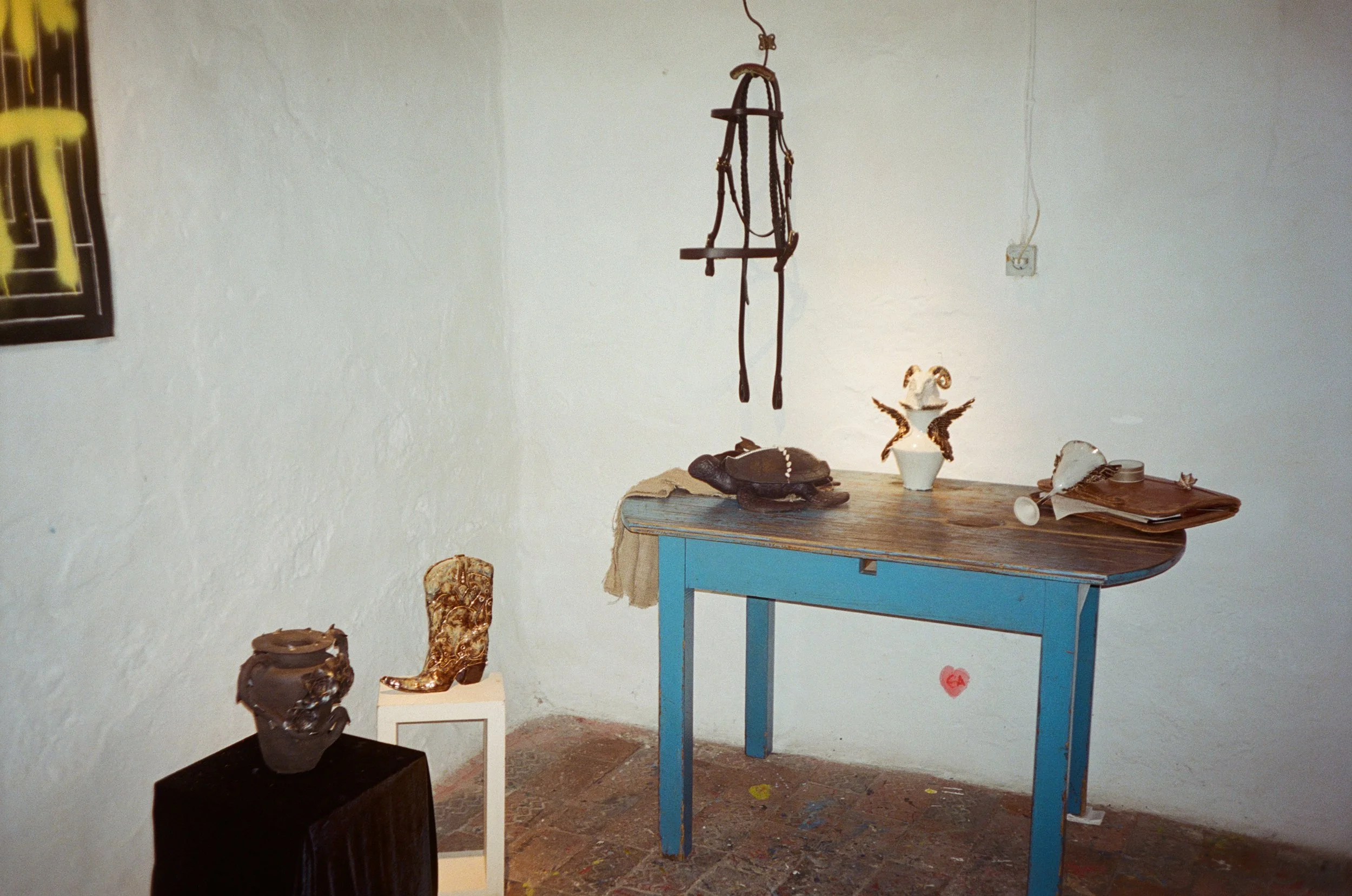
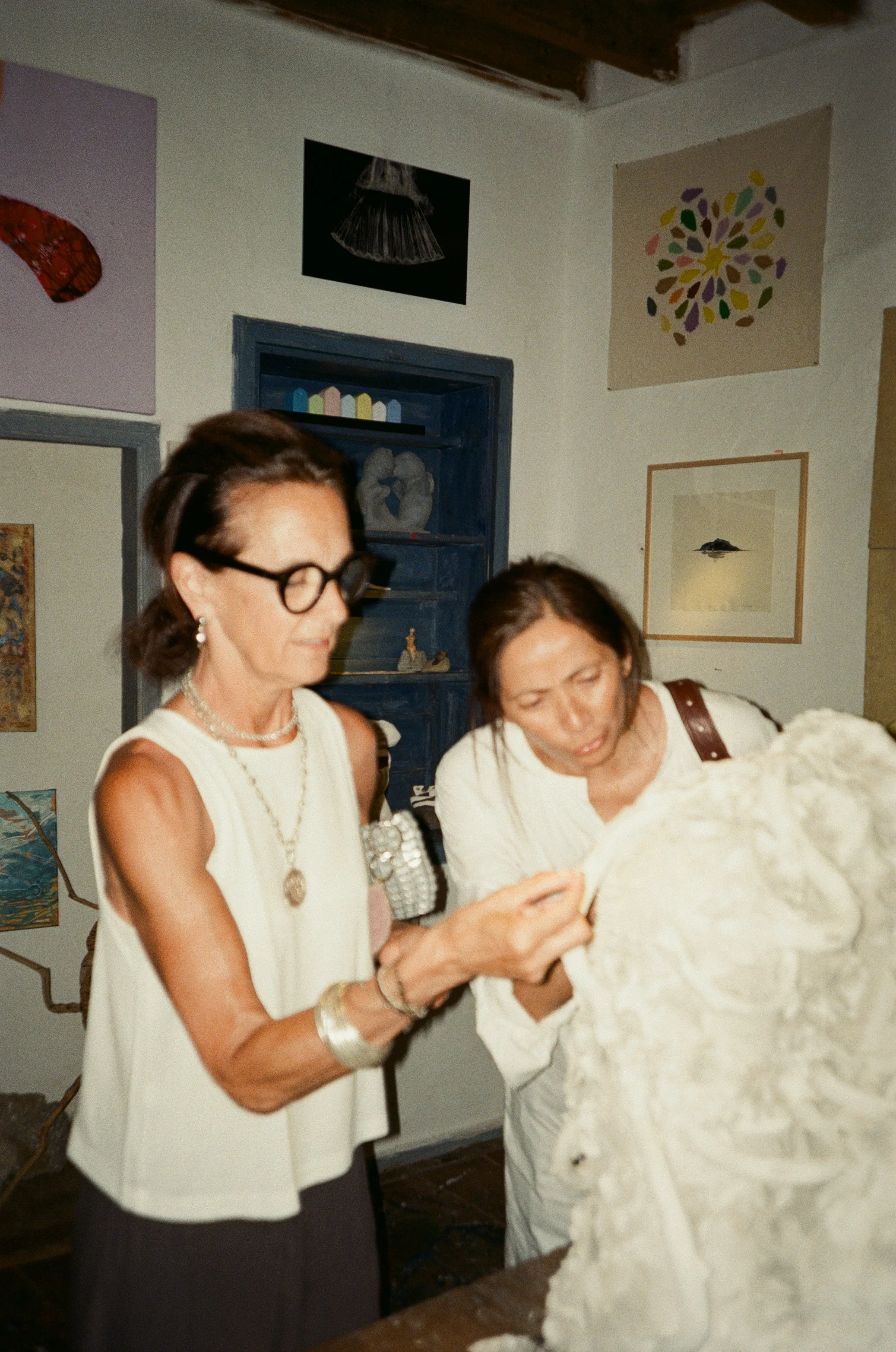
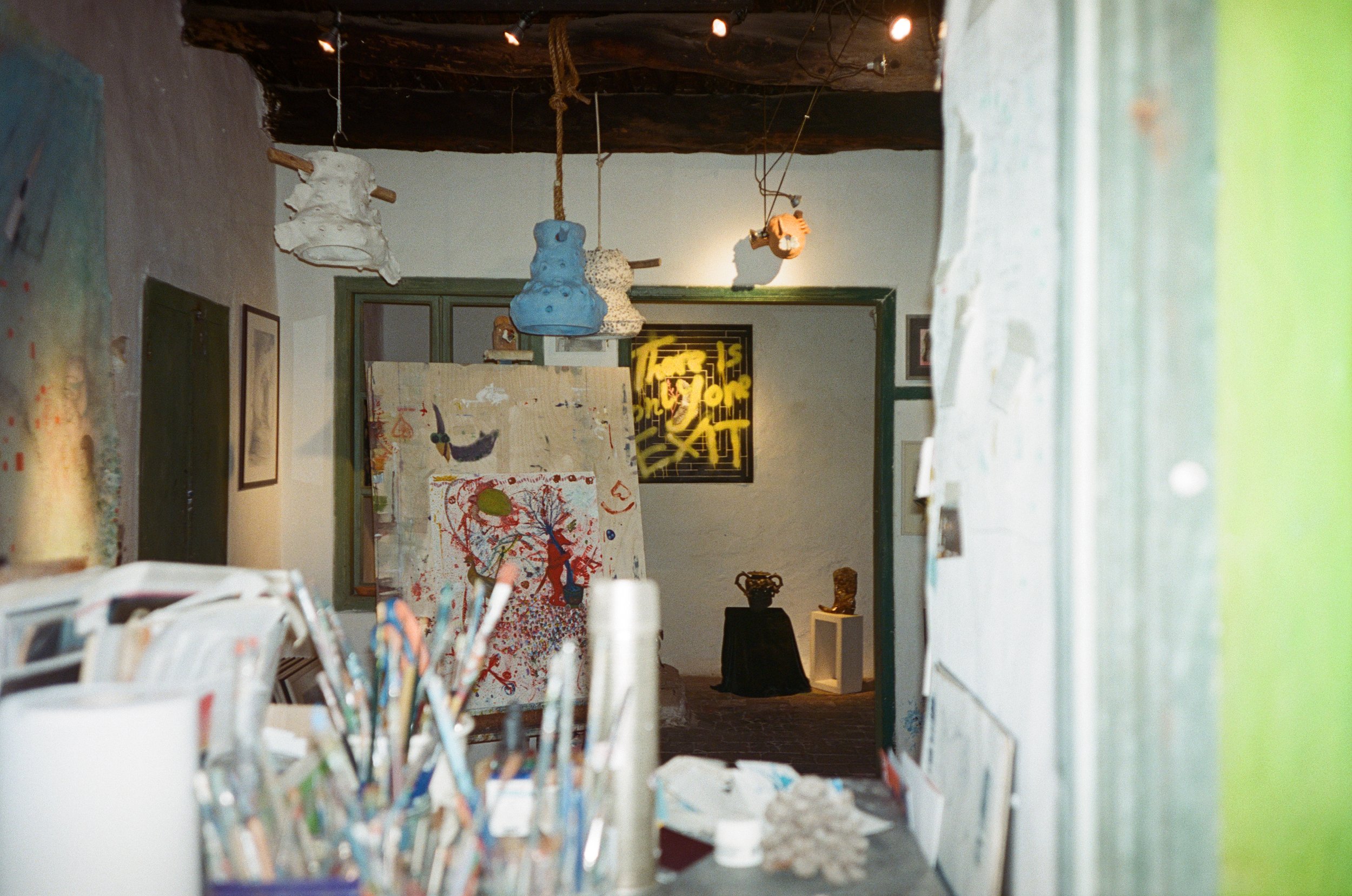
The exhibition was presented at Andreas Kalatzis’ Gallery on the island of Patmos as the first international solo exhibition of the artist. While the work originated in proximity to the Aegean Film Festival, the exhibition took place independently, establishing its own curatorial framework outside the festival programme.
② MENTIONED BY MOSCW
MOSCW基準適合
MOSCW approached Memory of Ownership as an investigation into how objects accumulate narrative through movement, geography and lived experience.
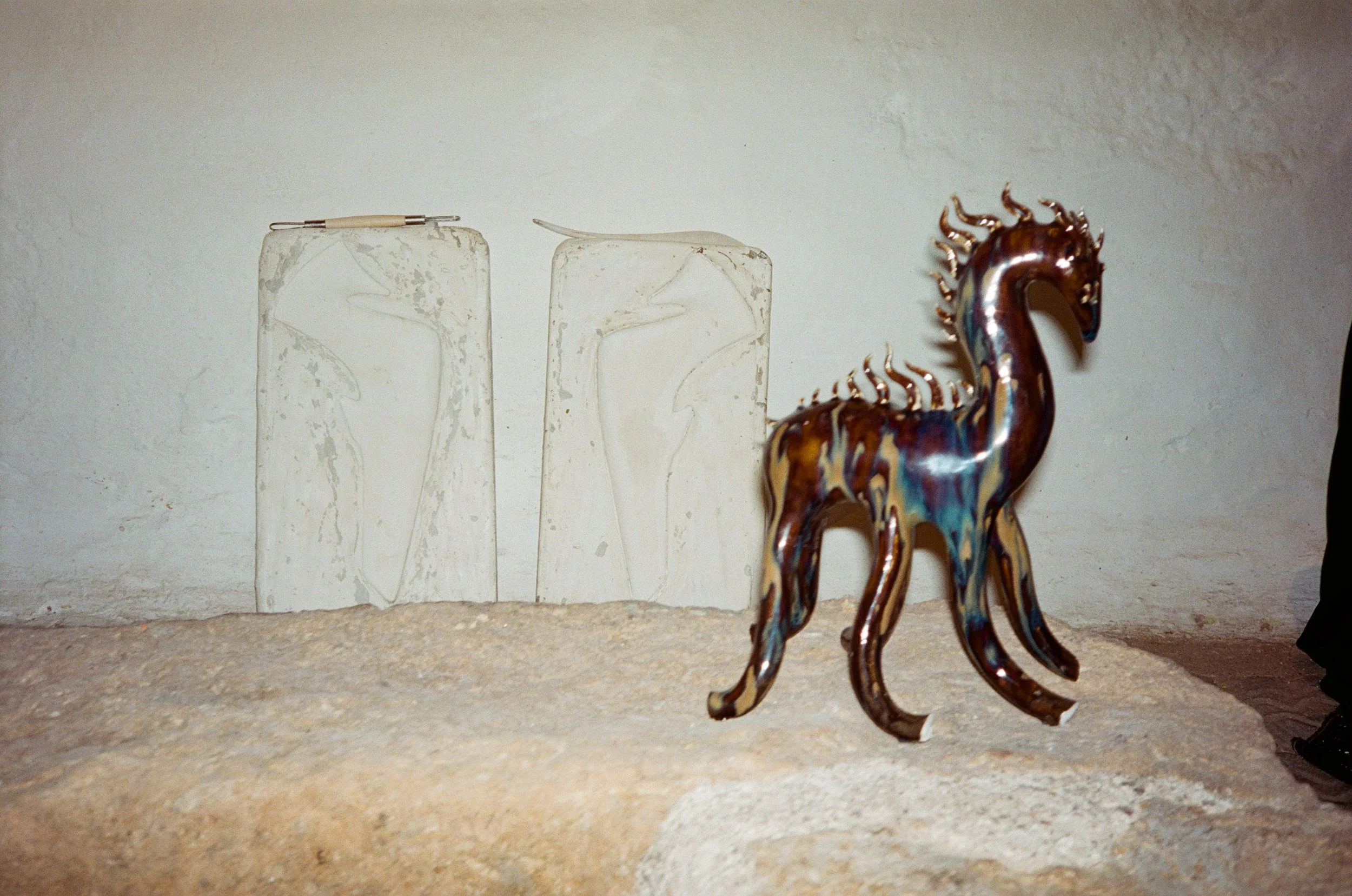
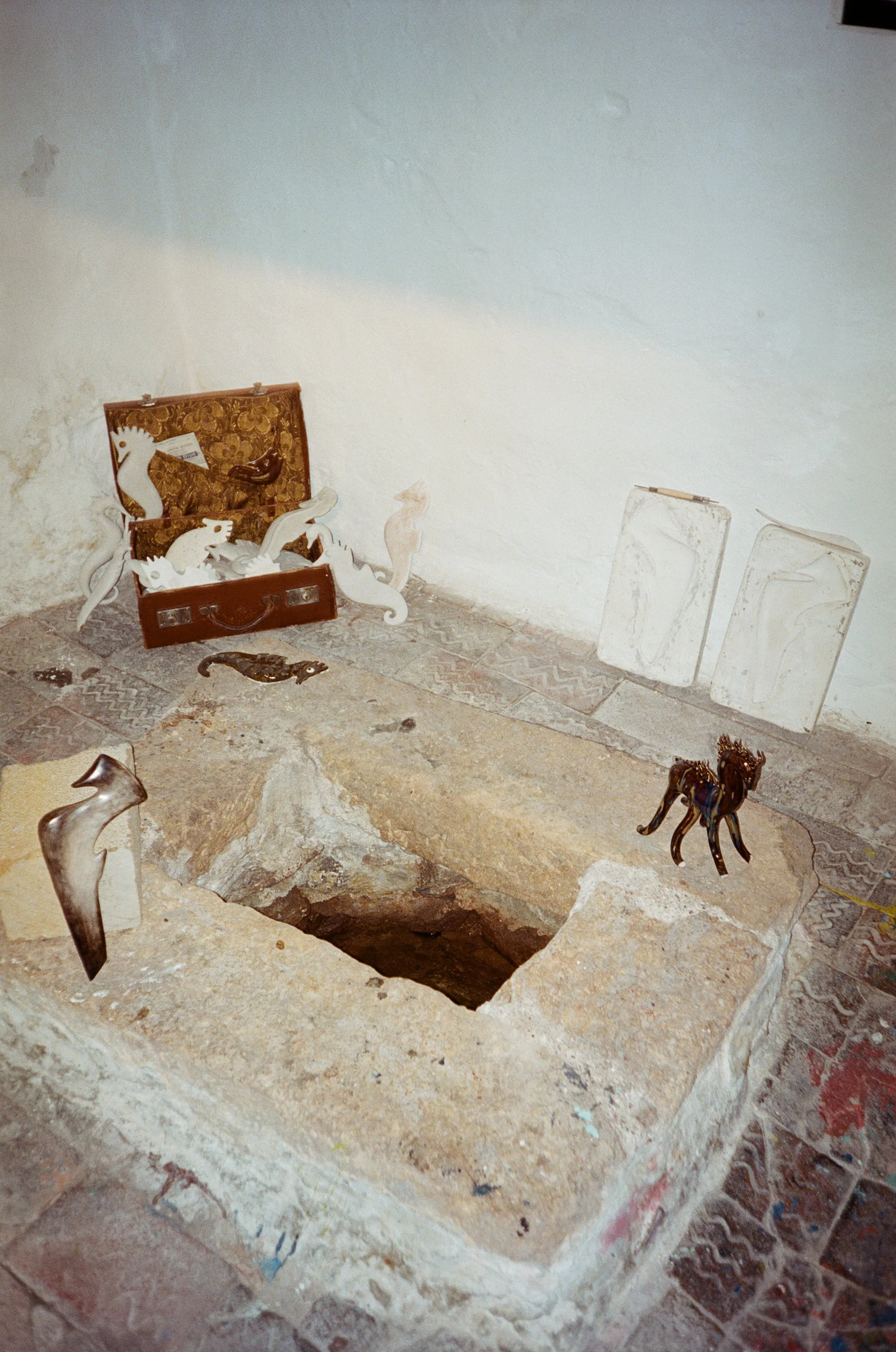
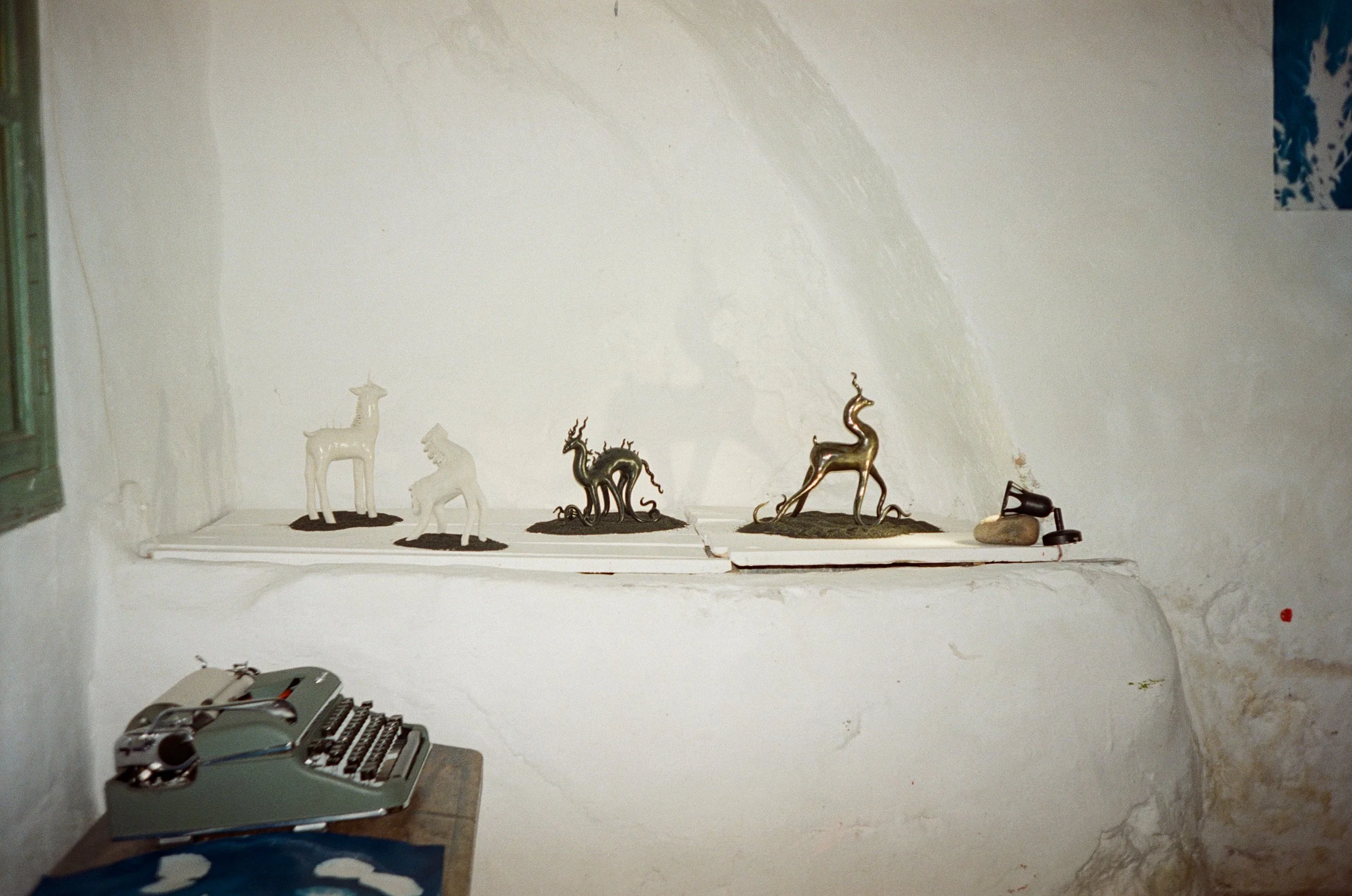
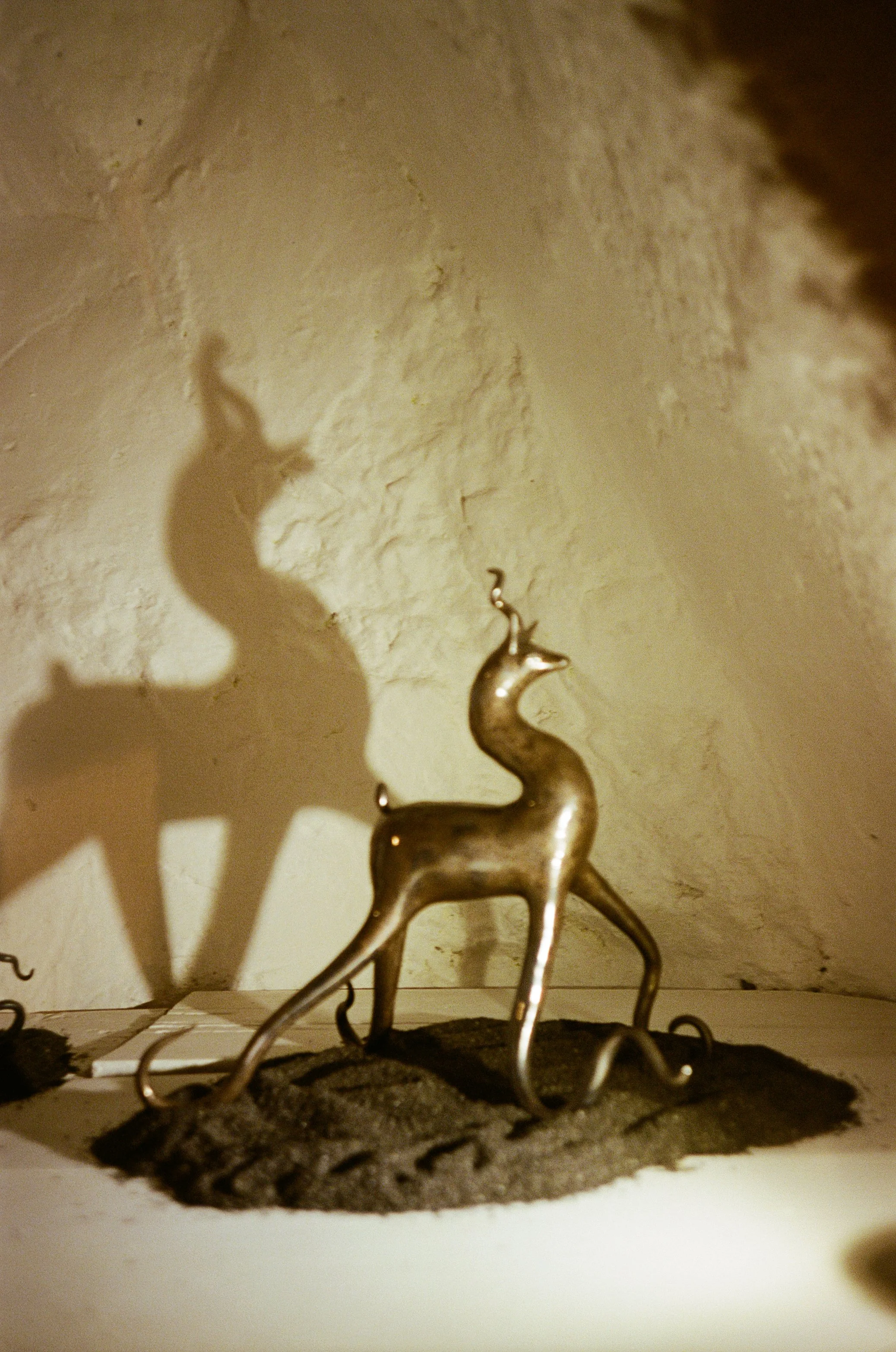
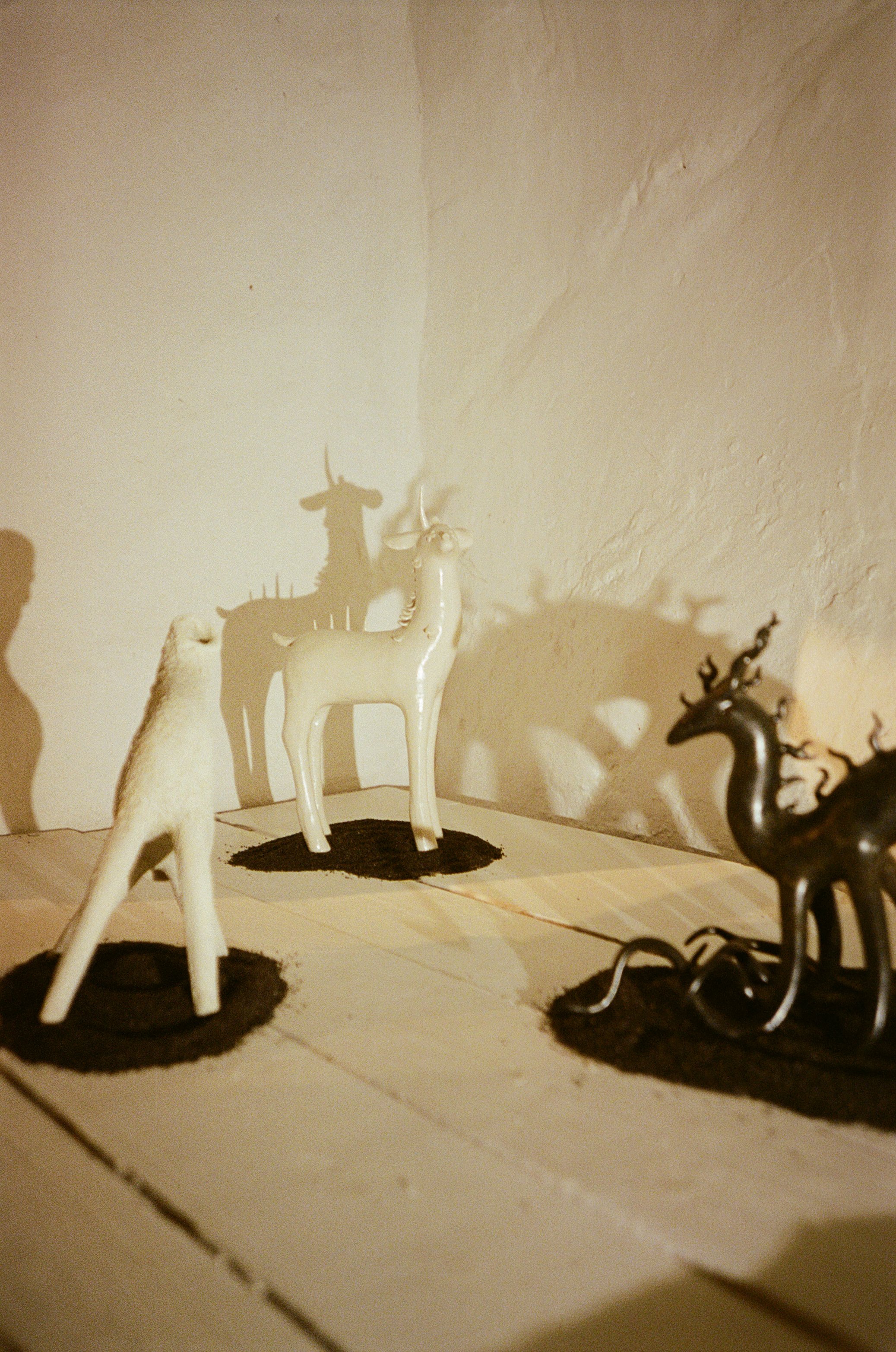
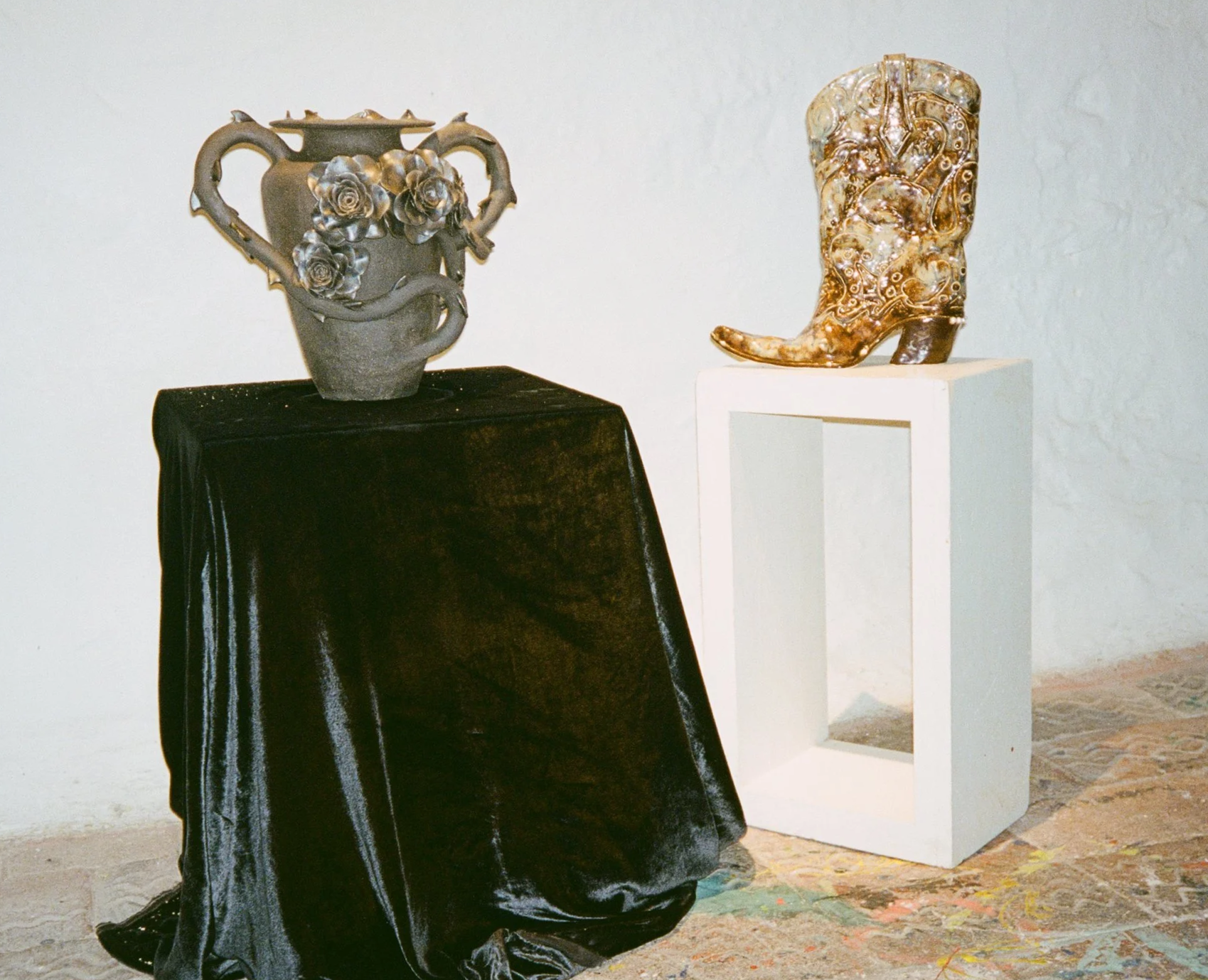
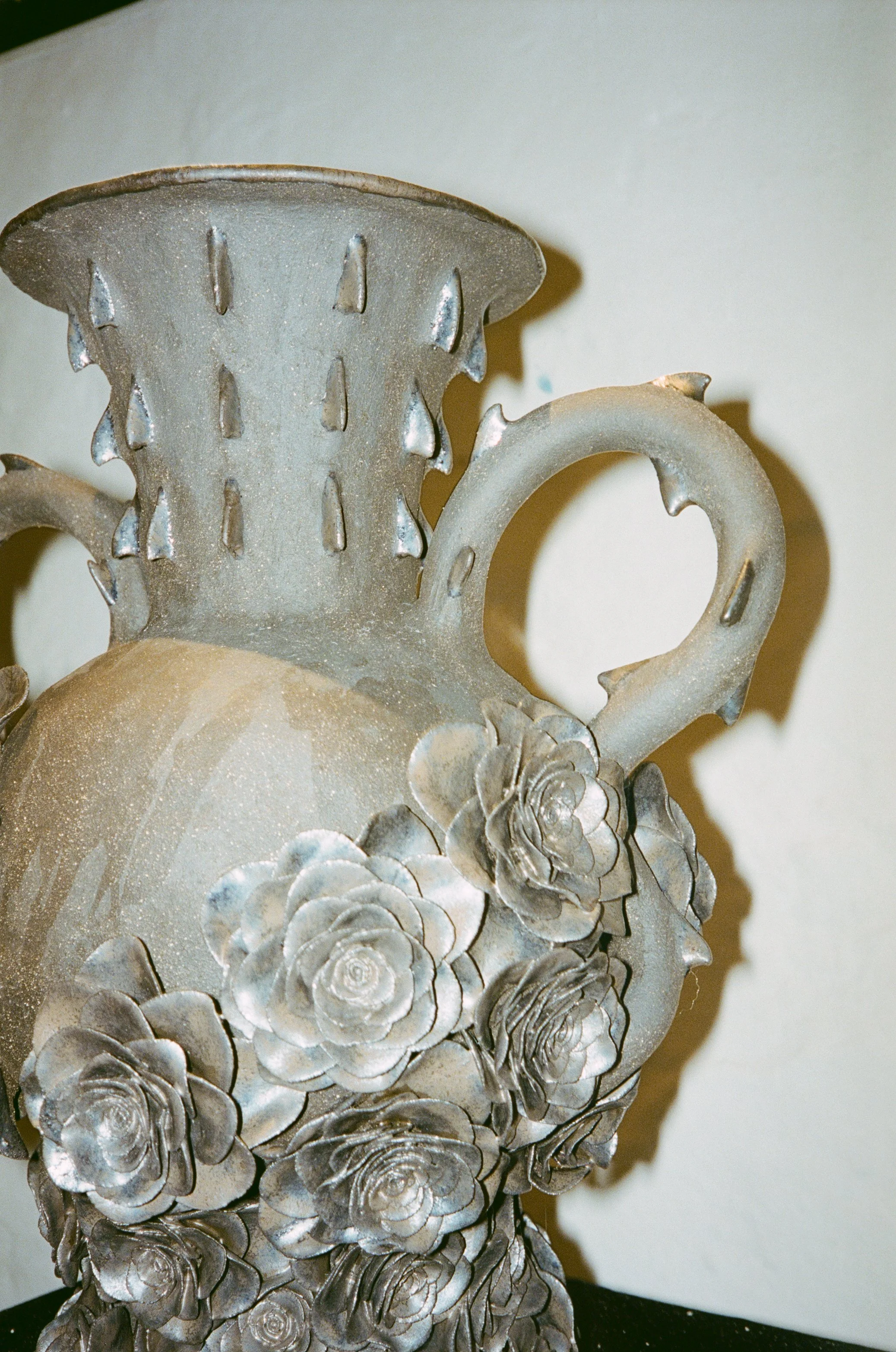
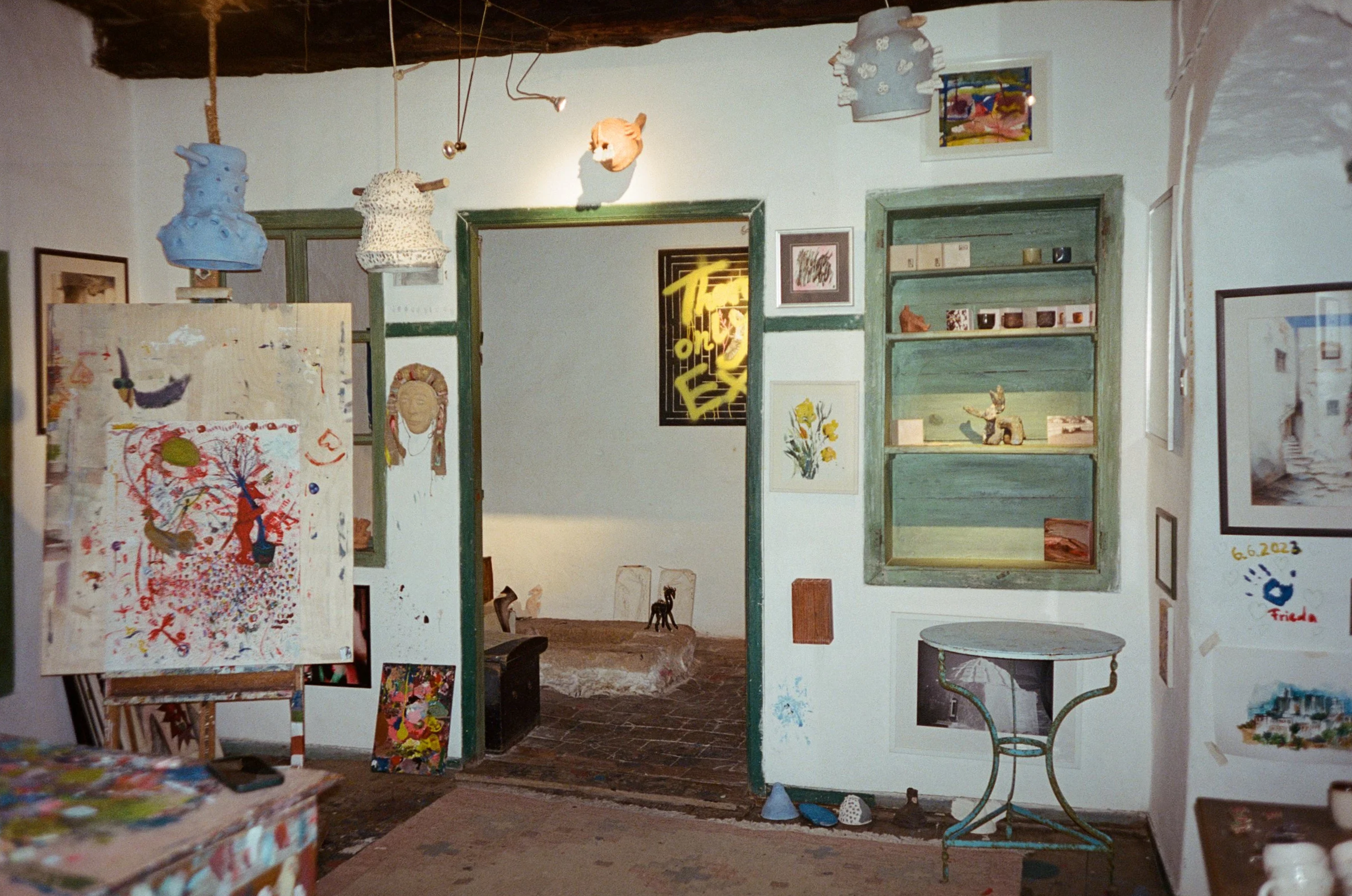
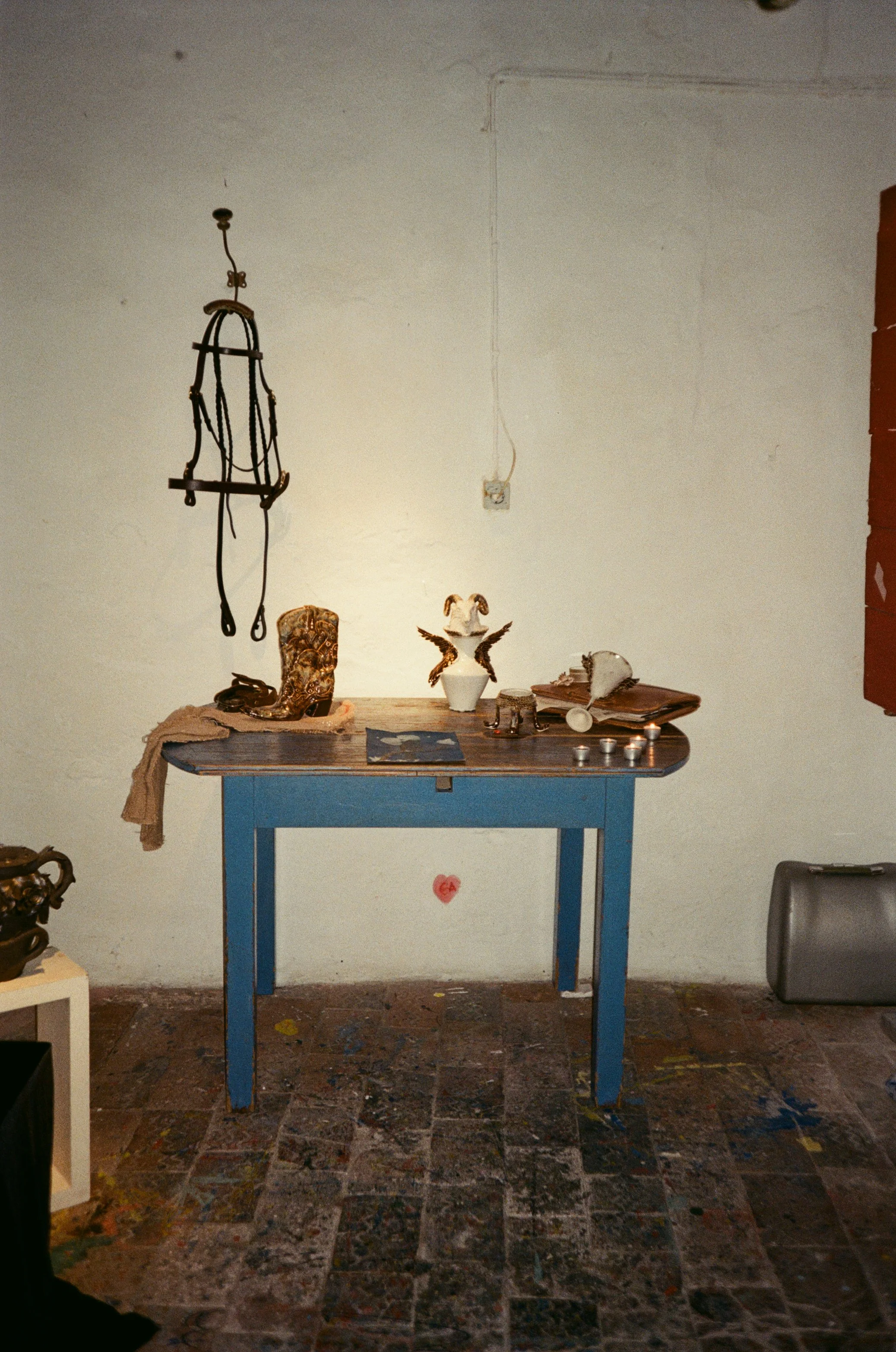
Across more than twenty sculptural works, the exhibition brought together ceramic forms, drawings and typewritten notes developed during the artist’s time in Greece. These materials formed a constellation of works exploring the intersections between migration, environmental memory and the narrative structures shared by cinema, Greek mythology and everyday life.
Influenced by the marine ecology of the Aegean Sea, the sculptural language of the project draws upon organic growth, erosion and transformation. Exposure to saltwater and coastal environments informed both the material processes and symbolic vocabulary of the works.
Within this framework, the exhibition treated sculpture as a medium through which personal and cultural histories could be carried, recomposed and retold — positioning the gallery space as a site where these narrative threads converge.
③ MADE BY MOSCW
MOSCW基準適合
MOSCW developed the curatorial and spatial framework of the exhibition in close collaboration with the artist.
MOSCW’s role included:
the conceptual architecture of the project
the narrative sequencing of works within the gallery space
exhibition curation and spatial set design
coordination of artwork logistics and international transport from the United Kingdom to Greece
installation planning and on-site exhibition production
liaison with the host gallery and local partners
artwork sales management and collector relations
The exhibition resulted in a sold-out presentation, with all works acquired by collectors from across the globe during the course of the show.
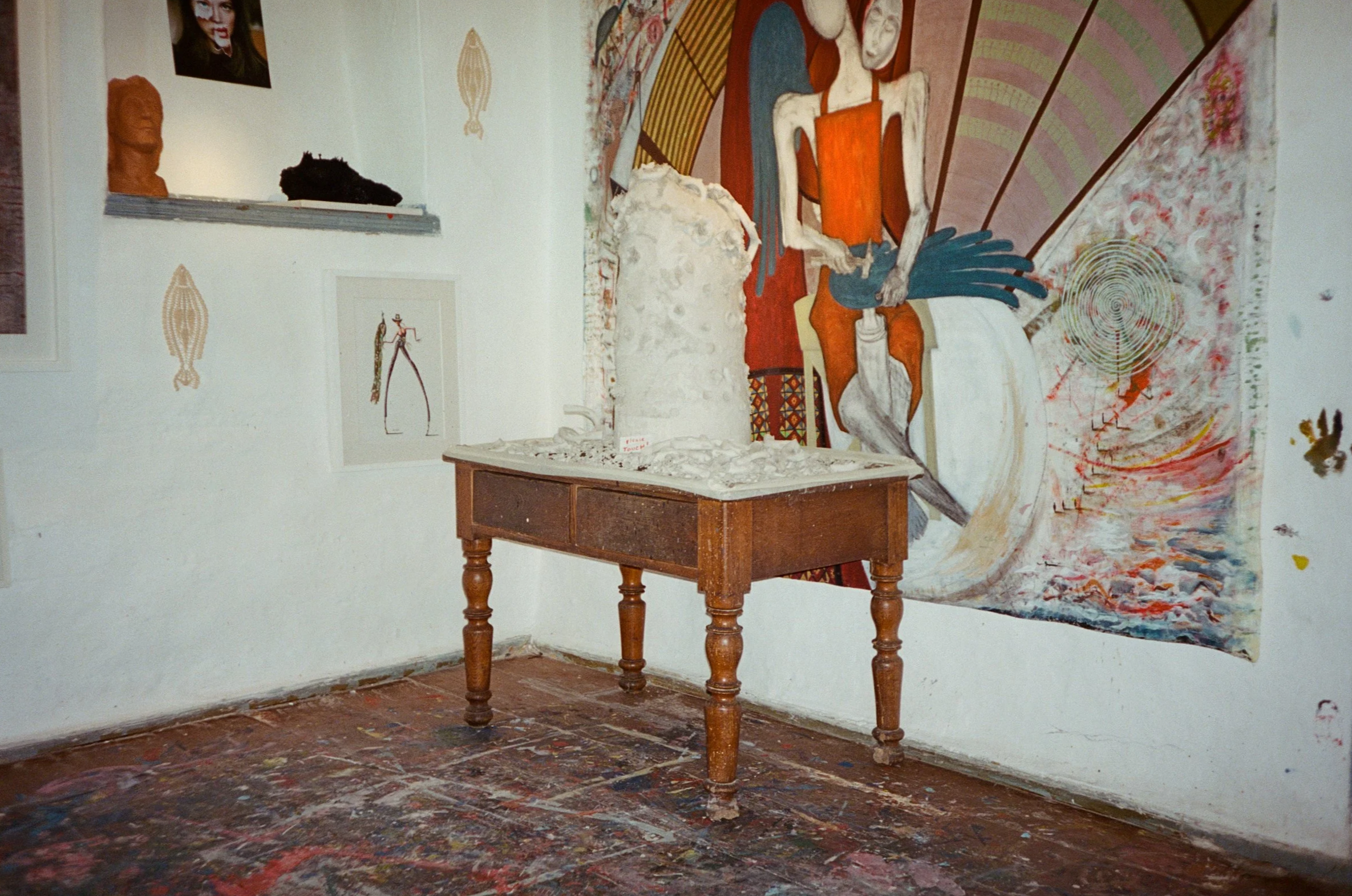
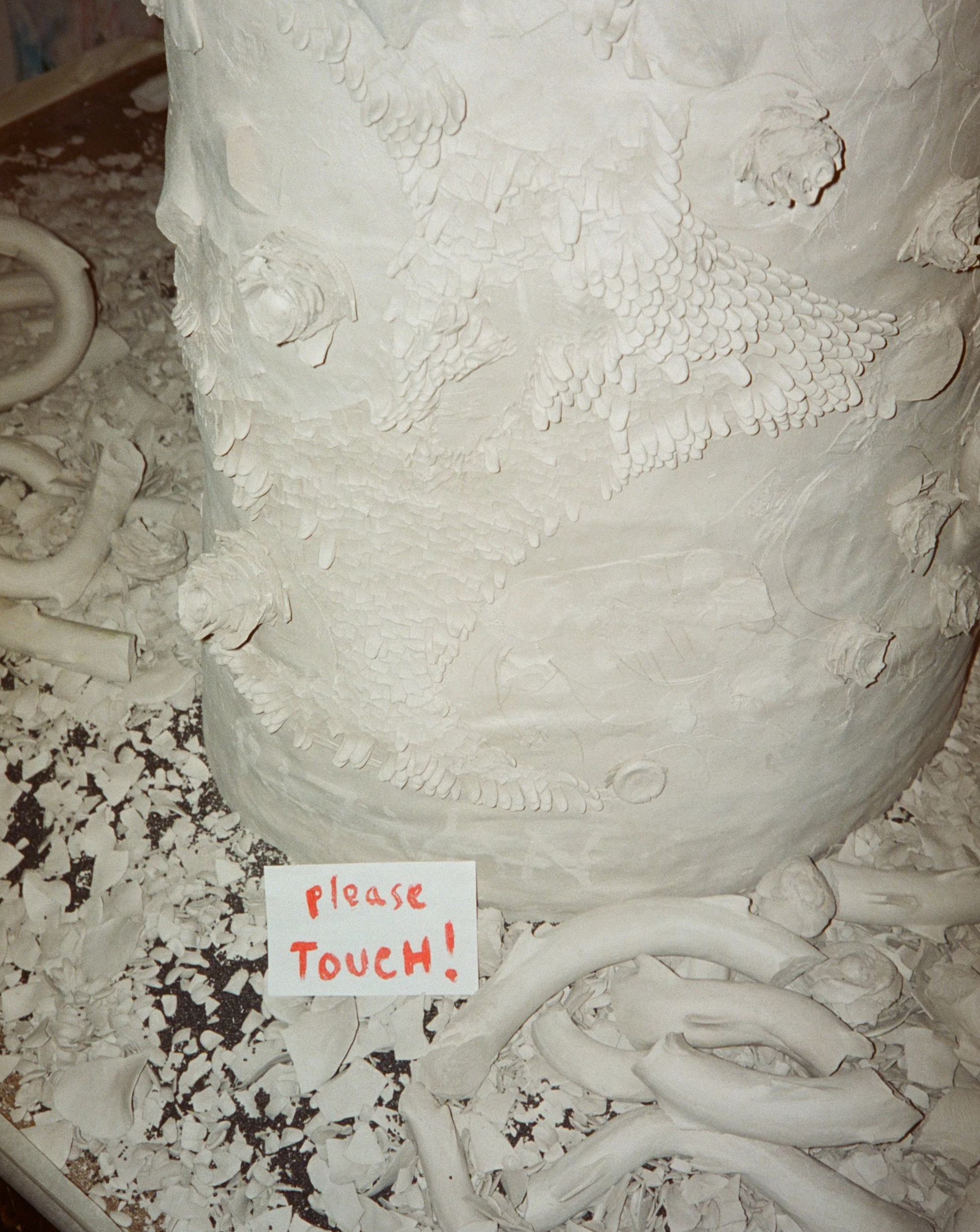
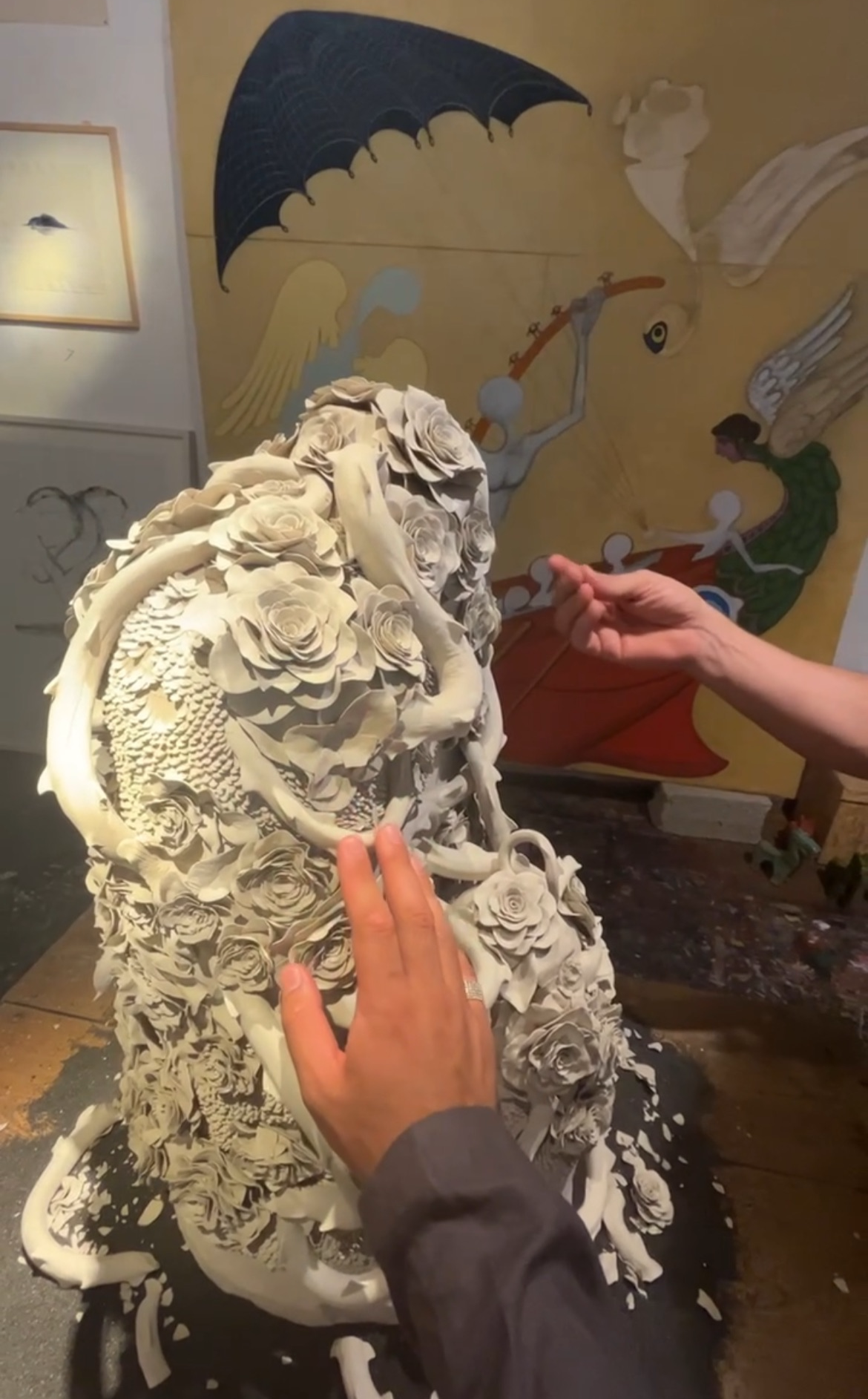
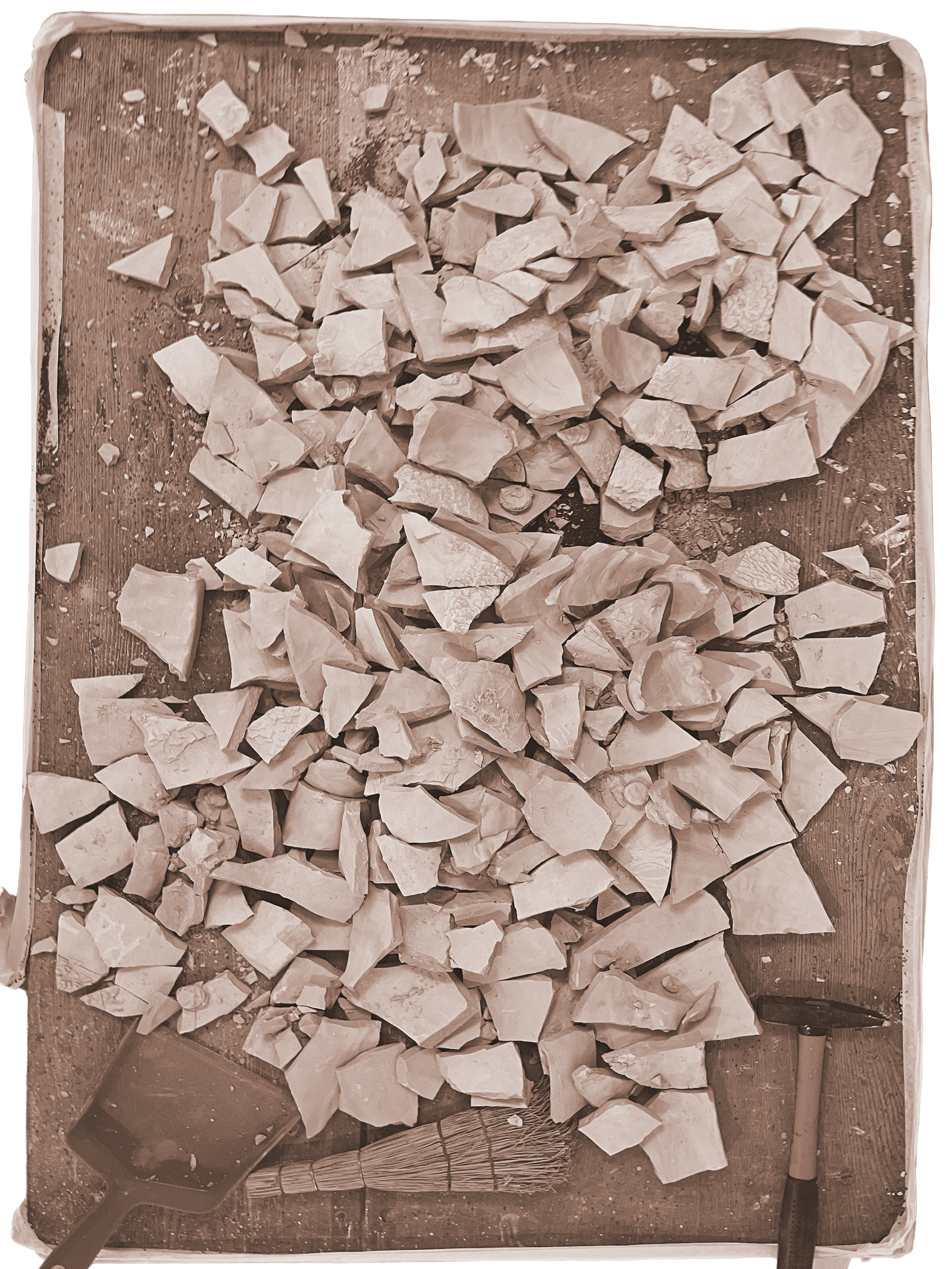
A central element of the exhibition was the participatory sculpture Amorfeus, an unfired clay work presented as part of a wider generative art project exploring the relationship between ceramic materiality, digital replication and regenerative systems.
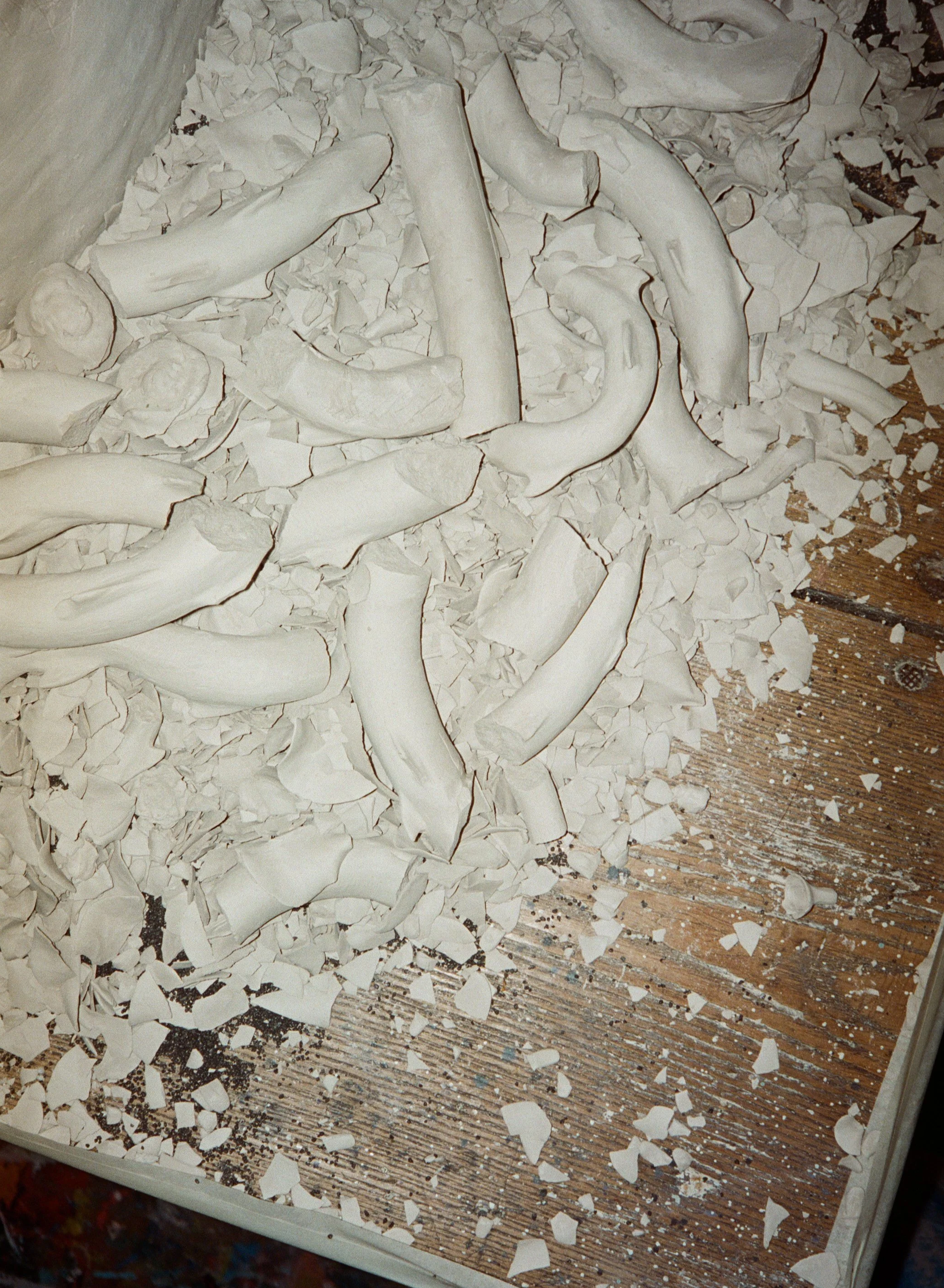
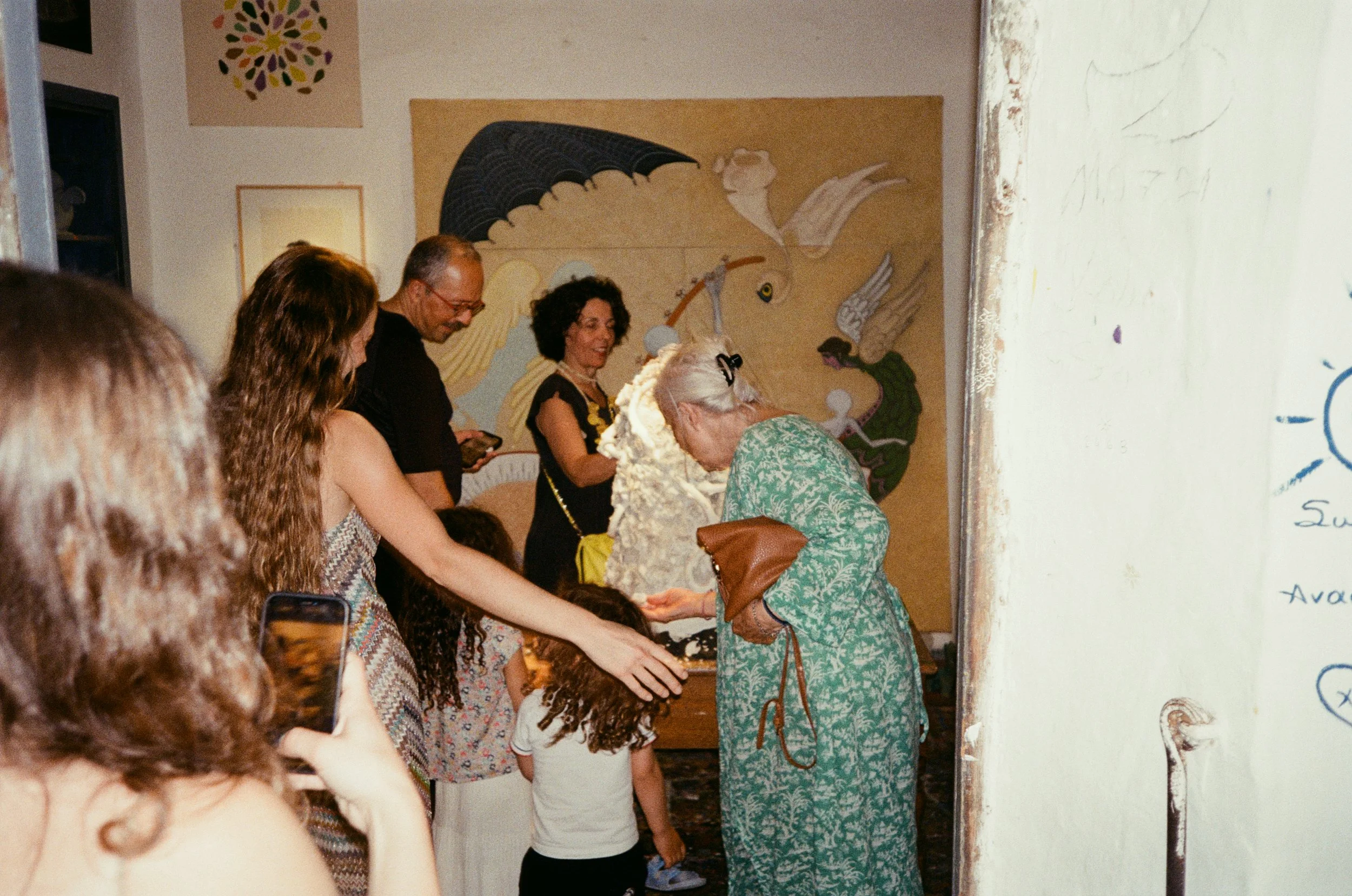
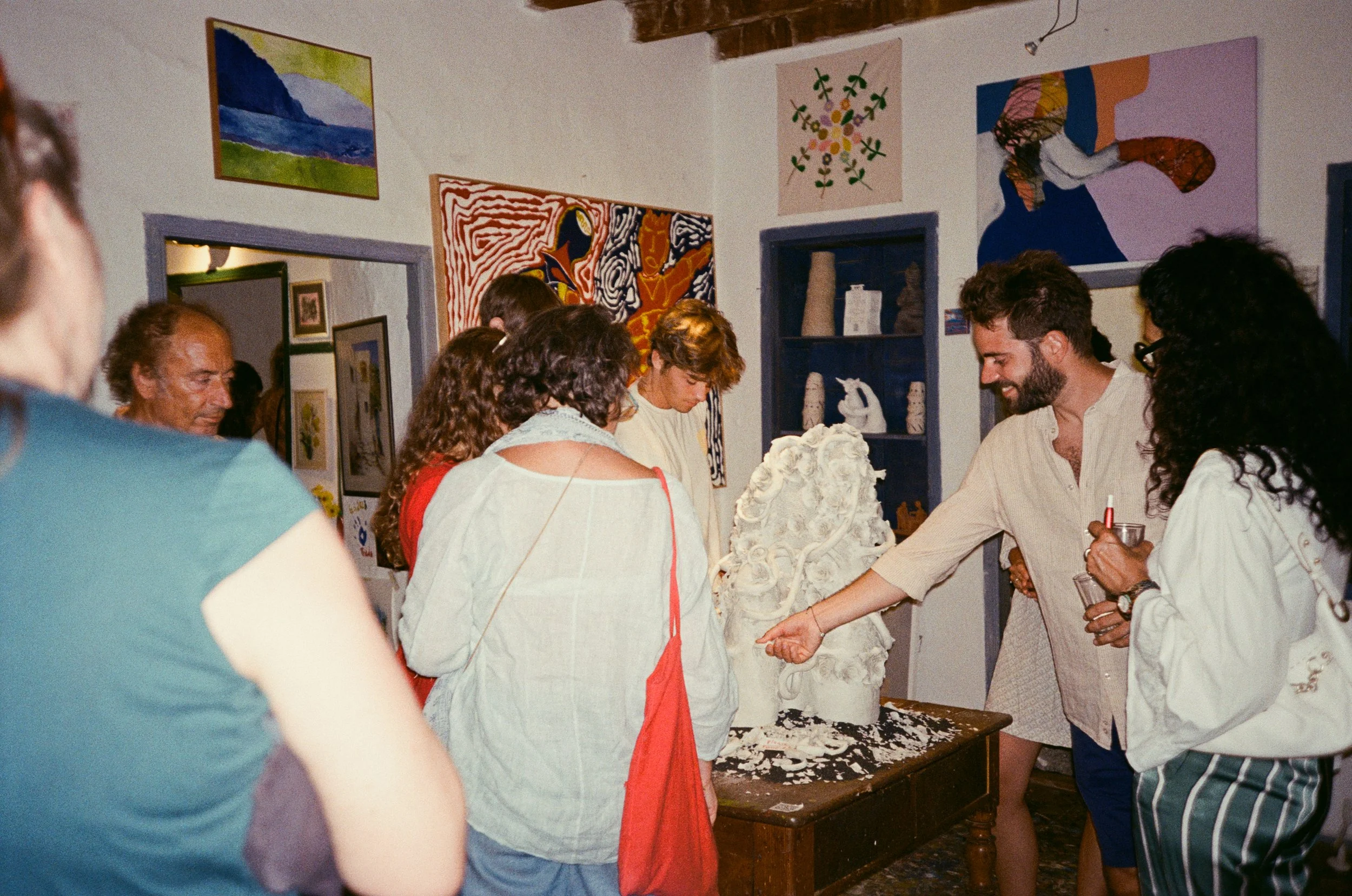
Constructed from unfired clay, the sculpture remained intentionally fragile. Visitors were invited to participate in its gradual destruction over the course of the exhibition, reversing the traditional gallery convention of non-contact with artworks and transforming the act of viewing into a collective performative event.
Prior to its destruction, the sculpture was professionally 3D scanned, producing a digital replica that forms the basis of an evolving generative artwork. Over time, the digital model becomes progressively covered in AI-generated “moss”, simulating organic growth across its surface. When the digital work is resold, the moss resets and begins to grow again, encouraging circulation while directing royalties towards sustainability initiatives.
The project operates through a cyclical material logic: the same body of clay is reused for successive iterations of the sculpture, linking physical creation, destruction and digital regeneration within a single system.
Through this process, Memory of Ownership was conceived as a site-specific narrative environment, enabling audiences to encounter the works as part of an unfolding conceptual structure.
The project reflects MOSCW’s methodology of constructing research-driven frameworks through which artists can expand the conceptual and spatial dimensions of their practice.
Gallery